Low Spikesedge: A Quietly Important Native Sedge for Wetland Gardens
Meet low spikesedge (Kyllinga pumila), a humble native sedge that might not win any beauty contests but plays a vital role in our wetland ecosystems. This unassuming grass-like plant is one of those quiet heroes of the plant world – doing important work behind the scenes while asking for very little in return.
Where You’ll Find Low Spikesedge
Low spikesedge is native to a surprisingly large swath of the United States, calling 27 states home from the Southeast all the way up to the Mid-Atlantic and parts of the Midwest. You’ll find it naturally growing from Florida to New York, and from Texas to Illinois. It’s also native to Puerto Rico and the U.S. Virgin Islands.
- Species observed
- No observations
However, there’s an important caveat for gardeners to consider: this little sedge is listed as endangered in New Jersey, where it has special protected status in the Pinelands and Highlands regions. This rarity makes it all the more precious for native plant enthusiasts.
What Does Low Spikesedge Look Like?
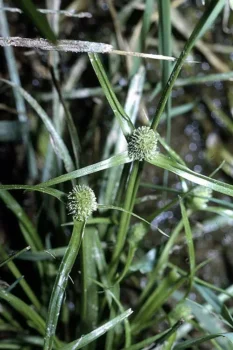
Don’t expect flashy flowers or dramatic foliage from low spikesedge. This is a plant that embraces subtlety. As a member of the sedge family, it sports fine, grass-like leaves and produces tiny, inconspicuous greenish flower heads arranged in small spikes. It’s the kind of plant that blends beautifully into naturalized settings, creating texture and habitat without demanding attention.
Low spikesedge can behave as either an annual or perennial, depending on growing conditions and climate. In warmer zones, it tends to persist year-round, while in cooler areas it may complete its life cycle in a single season.
Why Consider Growing Low Spikesedge?
While it might not be the showstopper of your garden, low spikesedge offers several compelling reasons to include it in your landscape:
- True native credentials: Supporting local ecosystems by growing plants that naturally belong in your region
- Wetland specialist: Excellent for rain gardens, bioswales, and other water management features
- Low maintenance: Once established, it requires minimal care
- Habitat provider: Offers food and shelter for native wildlife, particularly in wetland settings
- Erosion control: Helps stabilize soil in moist areas
Perfect Growing Conditions
Low spikesedge is classified as a facultative wetland plant across all its native regions, which means it’s happiest with its feet wet but can tolerate some drier conditions. Here’s what it loves:
- Moisture: Consistently moist to wet soil conditions
- Sunlight: Full sun to partial shade
- Soil: Tolerates a range of soil types, from sandy to clayey
- Climate: Hardy in USDA zones 6-10
- Special conditions: Can handle seasonal flooding and fluctuating water levels
Where Low Spikesedge Shines in Your Landscape
This sedge isn’t meant for formal flower borders or manicured lawns. Instead, consider it for:
- Rain gardens: Perfect for managing stormwater runoff
- Wetland restoration projects: Authentic native plant for ecological restoration
- Naturalized areas: Great for low-maintenance, wild-looking spaces
- Pond edges: Natural-looking transition between water and land
- Bioswales: Functional landscaping for water filtration
Growing Tips for Success
Low spikesedge is refreshingly easy to grow once you understand its preferences:
- Planting: Spring is the ideal time to establish new plants
- Watering: Keep soil consistently moist, especially during establishment
- Maintenance: Minimal pruning needed – let it naturalize
- Propagation: Can be grown from seed or divided from existing clumps
- Patience: May take time to establish, but worth the wait
A Word About Responsible Sourcing
Given low spikesedge’s endangered status in New Jersey and its overall conservation value, it’s crucial to source plants responsibly. Always purchase from reputable native plant nurseries that propagate their own stock rather than wild-collecting. If you’re in New Jersey, check with local native plant societies about appropriate sources and any special considerations for growing this protected species.
The Bottom Line
Low spikesedge might not be the most glamorous addition to your garden, but it’s exactly the kind of plant that makes a real difference for local ecosystems. If you have a wet spot in your yard that needs a native solution, or you’re creating habitat for wildlife, this quiet little sedge deserves serious consideration. Just remember to source it responsibly and give it the moist conditions it craves.
Sometimes the most important plants are the ones working quietly in the background – and low spikesedge is definitely one of those unsung heroes worth celebrating in our native gardens.