Lowland Rotala: A Native Wetland Gem for Specialized Gardens
If you’re looking to create an authentic wetland garden or restore a natural pond edge, lowland rotala (Rotala ramosior) might just be the unsung hero your landscape needs. This modest native annual won’t win any beauty contests, but it plays an important ecological role in North America’s wetland communities.
What Is Lowland Rotala?
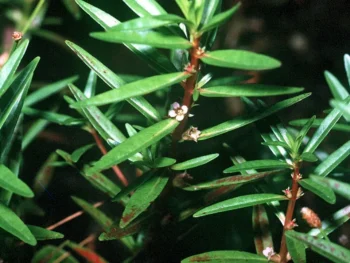
Lowland rotala is a small, delicate annual forb that belongs to the extensive family of North American native plants. As its name suggests, this plant is all about the low, wet places – think pond margins, seasonal pools, and marshy areas. Don’t expect towering blooms or showy foliage; this is a plant that whispers rather than shouts.
The plant produces tiny pink to white flowers and narrow, opposite leaves that give it a rather understated appearance. But what it lacks in ornamental pizzazz, it makes up for in ecological authenticity.
Where Does Lowland Rotala Call Home?
One of the most remarkable things about lowland rotala is its incredible geographic range. This adaptable native spans from British Columbia and Ontario in Canada all the way down to Puerto Rico, covering virtually every U.S. state in between. You’ll find it naturally occurring from the wetlands of Alaska to the coastal plains of Florida, making it one of North America’s most widely distributed wetland plants.
- Species observed
- No observations
The Wetland Specialist
Here’s where things get specific: lowland rotala is what botanists call an obligate wetland plant. This means it almost always occurs in wetlands – no ifs, ands, or buts about it. Across all regions of North America, from the arid West to the humid Southeast, this plant demands consistent moisture to thrive.
If you’re thinking about adding lowland rotala to your garden, you’ll need to commit to keeping things wet. We’re talking about plants that prefer their feet constantly damp or even submerged in shallow water.
Should You Plant Lowland Rotala?
Consider planting it if you have:
- A natural or constructed wetland area
- Pond edges or bog gardens
- Rain gardens that stay consistently moist
- A commitment to wetland restoration
- Interest in supporting native plant communities
Skip it if you want:
- Traditional ornamental flower beds
- Low-maintenance, drought-tolerant plants
- Showy blooms for cut flowers
- Plants for typical suburban landscaping
Important note: In New Jersey, lowland rotala has a rarity status of S3, meaning it’s considered vulnerable. If you live in areas where it’s uncommon, please source seeds or plants responsibly from reputable native plant suppliers rather than collecting from wild populations.
Growing Lowland Rotala Successfully
Growing this wetland specialist isn’t complicated, but it is specific:
USDA Hardiness Zones: 3-10 (based on its extensive natural range)
Light Requirements: Full sun to partial shade
Soil and Water: Consistently moist to saturated soil; tolerates standing water
Planting Tips:
- Direct seed in late fall or early spring in wet areas
- Seeds need light to germinate, so scatter on soil surface
- Maintain consistent moisture throughout the growing season
- As an annual, it will need to reseed each year
Care Requirements: Once established in the right conditions, lowland rotala requires minimal care. The key is maintaining adequate moisture – if your wetland area dries out, this plant won’t return.
Ecological Benefits
While lowland rotala may not be a pollinator magnet like some showy natives, it serves important ecological functions. Its small flowers can attract tiny beneficial insects, and the plant provides habitat structure in wetland ecosystems. For wildlife, it contributes to the complex web of wetland plant communities that support various birds, amphibians, and aquatic life.
The Bottom Line
Lowland rotala isn’t for every gardener or every garden. It’s a specialized plant for specialized conditions. But if you’re passionate about native plant communities, wetland restoration, or creating authentic aquatic gardens, this humble annual deserves consideration. Just remember: wet feet required, and in some areas, responsible sourcing is essential to protect wild populations.
Think of lowland rotala as the supporting actor in your wetland garden’s cast – it may not steal the show, but it helps create an authentic, functioning ecosystem that benefits both wildlife and water quality.