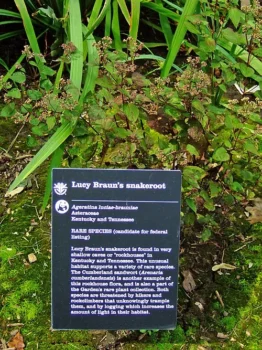
Lucy Braun’s Snakeroot: A Rare Appalachian Treasure Worth Protecting
If you’re a native plant enthusiast looking for something truly special, Lucy Braun’s snakeroot (Ageratina luciaebrauniae) might just be the rare gem you’ve been searching for. But before you start planning where to plant it, there’s something important you need to know about this remarkable Appalachian native.
A Plant as Rare as It Is Beautiful
Lucy Braun’s snakeroot isn’t your everyday garden plant. This perennial forb holds a Global Conservation Status of S3, meaning it’s considered vulnerable throughout its range. With only 21 to 100 known occurrences and an estimated 3,000 to 10,000 individuals in the wild, this plant is genuinely rare. If you’re considering adding it to your garden, please ensure you’re sourcing it responsibly from reputable native plant nurseries that propagate rather than wild-collect their stock.
Where Lucy Braun’s Snakeroot Calls Home
This special plant has a very limited native range, found only in Kentucky and Tennessee. It’s particularly associated with the Cumberland Gap region, where it grows in the unique conditions of southeastern Kentucky and northeastern Tennessee’s woodland areas.
- Species observed
- No observations
Getting to Know This Woodland Beauty
As a member of the Ageratina genus (formerly known as Eupatorium luciae-brauniae), Lucy Braun’s snakeroot is a herbaceous perennial that produces clusters of small white flowers. Like its relatives in the snakeroot family, it blooms in late summer to fall, providing crucial late-season nectar when many other plants have finished flowering.
This forb lacks significant woody tissue, meaning it dies back to the ground each winter and emerges fresh each spring. Its growth habit makes it perfect for naturalizing in woodland settings where it can spread gradually over time.
Why Gardeners Should Care About This Plant
Conservation Value
By growing Lucy Braun’s snakeroot, you’re participating in conservation efforts for a vulnerable species. Every responsibly grown plant in cultivation helps preserve the genetic diversity of this rare native.
Pollinator Support
The late-season blooms provide essential nectar for butterflies, bees, and other pollinators when few other flowers are available. This timing makes it particularly valuable for supporting migrating butterflies in fall.
Unique Garden Interest
For collectors of rare native plants, Lucy Braun’s snakeroot offers the satisfaction of growing something truly special and regionally significant.
Growing Lucy Braun’s Snakeroot Successfully
Ideal Growing Conditions
This woodland native thrives in:
- Partial shade to dappled sunlight
- Well-drained, woodland-type soils
- USDA hardiness zones 6-7
- Natural forest floor conditions with leaf litter
Planting and Care Tips
Once established, Lucy Braun’s snakeroot is relatively low-maintenance:
- Plant in spring after the last frost
- Provide consistent moisture during establishment
- Mulch with natural leaf litter to mimic forest conditions
- Allow the plant to go dormant naturally in winter
- Minimal fertilization needed in appropriate soil conditions
The Perfect Garden Setting
Lucy Braun’s snakeroot is best suited for specialized native plant gardens, woodland gardens, or conservation-focused landscapes. It’s not a plant for formal flower borders or high-traffic areas, but rather for gardeners who appreciate subtle beauty and ecological significance.
Consider pairing it with other Appalachian woodland natives like wild ginger, bloodroot, or native ferns to create an authentic regional ecosystem in your garden.
A Word of Caution and Responsibility
Given its vulnerable status, please only obtain Lucy Braun’s snakeroot from reputable sources that can verify their plants are nursery-propagated, not wild-collected. Never attempt to collect this plant from the wild, as doing so could harm the already limited wild populations.
If you’re lucky enough to successfully grow this rare beauty and it produces seeds, consider sharing them with other conservation-minded gardeners or donating them to botanical gardens and native plant societies working on conservation efforts.
The Bottom Line
Lucy Braun’s snakeroot represents the intersection of gardening and conservation. While it may not provide the showy display of more common natives, it offers something far more valuable: the opportunity to help preserve a piece of our natural heritage while supporting late-season pollinators. For the right gardener in the right setting, this rare Appalachian treasure is absolutely worth growing—just remember to source it responsibly.