Lumholtz’s Prairie Clover: A Desert Gem Worth Discovering
If you’re passionate about native plants and live in the desert Southwest, Lumholtz’s prairie clover might just be the perfect addition to your garden. This charming Arizona native brings both beauty and ecological benefits to drought-tolerant landscapes, though it comes with some important considerations for responsible gardening.
Meet Lumholtz’s Prairie Clover
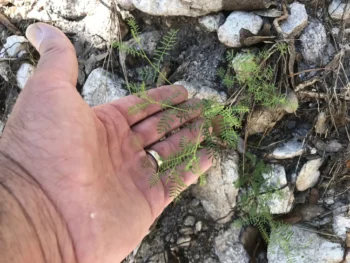
Lumholtz’s prairie clover (Dalea lumholtzii) is a perennial forb that calls the Sonoran Desert home. Unlike woody shrubs or trees, this herbaceous plant maintains a low profile while packing a punch with its attractive purple flower spikes. As a true Arizona native, it’s perfectly adapted to the challenging desert conditions that would leave many garden plants gasping for water.
This plant is found exclusively in Arizona, making it a special piece of the state’s natural heritage. The species grows throughout select areas of the Grand Canyon State, where it has evolved to thrive in the intense heat and minimal rainfall that characterize the region.
- Species observed
- No observations
Why Consider This Desert Native?
There are several compelling reasons to include Lumholtz’s prairie clover in your desert garden:
- Water-wise champion: Once established, this plant requires minimal irrigation, making it perfect for xeriscaping
- Pollinator magnet: The purple flower spikes attract native bees, butterflies, and other beneficial insects
- True native credentials: Supporting local ecosystems by growing plants that naturally belong in your area
- Low maintenance: Desert-adapted plants typically require less fussing than non-native alternatives
Important Conservation Considerations
Before you rush to add this plant to your shopping list, there’s something important to know: Lumholtz’s prairie clover has a conservation status of S3S4, indicating it may be somewhat rare or declining in parts of its range. This doesn’t mean you shouldn’t grow it—in fact, cultivating native plants can help preserve genetic diversity—but it does mean you should be thoughtful about your sources.
Always purchase from reputable nurseries that propagate their plants rather than wild-collecting them. Ask about the source of their seeds or parent plants, and avoid any supplier who can’t provide clear information about their growing practices.
Growing Lumholtz’s Prairie Clover Successfully
If you’re gardening in USDA hardiness zones 8-10 (which covers most of Arizona’s populated areas), you’re in luck! This desert native is surprisingly easy to grow when you understand its needs.
Location and Soil
Choose a spot that receives full sun throughout the day. Lumholtz’s prairie clover thrives in well-draining, sandy or rocky soils that mimic its natural desert habitat. Heavy clay or constantly moist soil will likely spell disaster for this drought-adapted species.
Planting and Watering
The best time to plant is during the cooler months of fall or early spring, giving the roots time to establish before the intense summer heat arrives. Water regularly during the first growing season to help establishment, but once the plant is settled (usually by the second year), you can reduce watering significantly.
The key to success is avoiding overwatering—more desert natives die from too much water than too little!
Maintenance
One of the joys of growing native desert plants is their low-maintenance nature. Lumholtz’s prairie clover typically doesn’t require fertilizing, pruning, or pest control. Simply enjoy the purple flower spikes when they appear and appreciate the pollinators they attract.
Perfect Garden Partners
This prairie clover works beautifully in:
- Native plant gardens showcasing Arizona’s natural flora
- Xeriscaped landscapes designed for water conservation
- Rock gardens where its compact form won’t be overwhelmed
- Naturalized areas that mimic desert ecosystems
Consider pairing it with other Arizona natives like desert marigold, fairy duster, or various cacti and agaves for a cohesive, water-wise landscape design.
The Bottom Line
Lumholtz’s prairie clover offers Arizona gardeners a chance to grow something truly special—a plant that’s not only beautiful and low-maintenance but also supports local wildlife and represents the unique character of the Sonoran Desert. Just remember to source it responsibly and give it the well-draining, sunny conditions it craves.
For desert dwellers looking to create landscapes that are both stunning and sustainable, this little-known native deserves serious consideration. Your local pollinators—and your water bill—will thank you!