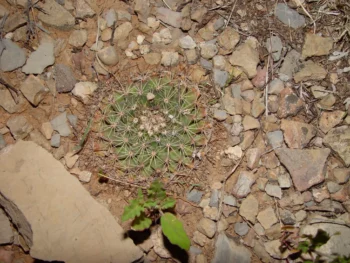
Macdougal’s Nipple Cactus: A Charming Desert Native for Your Xeriscape Garden
If you’re looking to add authentic Southwestern charm to your desert garden, Macdougal’s nipple cactus (Mammillaria heyderi var. macdougalii) might just be the perfect little gem you’ve been searching for. This diminutive desert dweller brings both beauty and native plant credibility to xeriscapes across the American Southwest.
What Makes This Cactus Special?
Don’t let the quirky common name fool you – this small, globular cactus is a serious showstopper when it blooms. Macdougal’s nipple cactus typically grows as a solitary or clustering specimen, rarely exceeding a few inches in height and width. What it lacks in size, it more than makes up for in character, featuring distinctive tubercles (those little bumpy projections) arranged in spirals around the plant body, each topped with clusters of spines.
The real magic happens during flowering season, when this modest cactus produces a crown of small but vibrant pink to magenta flowers that seem almost too large for the plant itself. It’s like watching a shy desert dweller suddenly decide to throw a party!
Where Does It Call Home?
This native beauty hails from the Chihuahuan Desert region, naturally occurring in Arizona and New Mexico. As a true native of the lower 48 states, it’s perfectly adapted to the challenging conditions of the American Southwest, making it an excellent choice for authentic regional landscaping.
- Species observed
- No observations
Conservation Considerations
Before you rush out to find one, it’s worth noting that Mammillaria heyderi var. macdougalii has a somewhat uncertain conservation status. If you decide to add this species to your collection, please ensure you’re purchasing from reputable nurseries that propagate their plants rather than wild-collect them. Supporting responsible cultivation helps protect wild populations.
Perfect Garden Roles
Macdougal’s nipple cactus shines in several garden settings:
- Rock gardens and desert landscapes
- Succulent and cactus collections
- Container gardens and patio displays
- Xeriscaped front yards or accent areas
- Native plant gardens celebrating regional flora
Growing Conditions That Make It Happy
Like most desert cacti, this species has some non-negotiable requirements:
Sunlight: Full sun is essential – at least 6 hours of direct sunlight daily. These plants have evolved under the intense desert sun and won’t thrive in shade.
Soil: The golden rule is drainage, drainage, drainage! A sandy, rocky, or gravelly soil mix that drains almost immediately is crucial. Clay soils or areas that hold moisture will quickly lead to root rot.
Water: Less is definitely more. During the growing season (spring and summer), water deeply but infrequently – perhaps once every 2-3 weeks if there’s no natural rainfall. In winter, withhold water almost entirely.
Climate: Hardy in USDA zones 8-10, though it can handle brief freezes if kept dry during winter months.
Planting and Care Tips
Plant in spring after the last frost date. Choose a location with morning sun exposure and good air circulation. If your soil doesn’t drain well naturally, create a raised bed or mound with a cactus soil mix.
The beauty of this cactus lies in its low-maintenance nature. Once established, it requires minimal intervention. The biggest mistake new cactus gardeners make is overwatering – when in doubt, don’t water!
Wildlife and Pollinator Benefits
Those cheerful little flowers aren’t just for show – they provide nectar for small desert bees, beneficial wasps, and other native pollinators. By growing native cacti like Macdougal’s nipple cactus, you’re supporting the intricate web of desert ecosystem relationships.
Should You Grow It?
If you live in the appropriate climate zone and can provide the right growing conditions, Macdougal’s nipple cactus makes an excellent addition to native plant gardens. It’s drought-tolerant, requires minimal care once established, supports native pollinators, and adds authentic regional character to your landscape.
However, this isn’t the right choice if you live in humid climates, have heavy clay soil that stays wet, or prefer high-maintenance gardens that require regular watering. Stick to plants better suited to your local conditions instead.
For desert gardeners seeking to celebrate their region’s unique flora while creating a sustainable, water-wise landscape, this charming little cactus represents the perfect marriage of beauty, authenticity, and ecological responsibility.