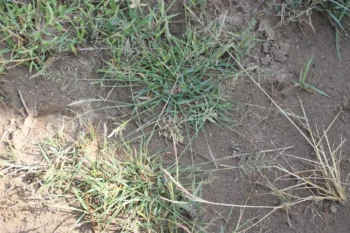
Madagascar Dropseed: A Delicate Native Grass Worth Knowing
If you’re looking for a graceful, low-maintenance grass that doesn’t demand constant attention, Madagascar dropseed (Sporobolus pyramidatus) might just be the unassuming hero your garden needs. Despite its exotic-sounding name, this delicate grass has deep roots in American soil and offers gardeners a charming alternative to more common ornamental grasses.
What Exactly Is Madagascar Dropseed?
Madagascar dropseed is a fine-textured grass that forms neat, compact tufts with airy seed heads that dance in the breeze. You might also encounter it under several botanical synonyms, including Agrostis pyramidata or Sporobolus argutus, but don’t let the scientific name shuffle confuse you—it’s all the same lovely plant.
This grass can live as either an annual or perennial depending on growing conditions, giving it remarkable adaptability. Its delicate appearance belies a tough constitution that’s helped it spread across diverse American landscapes.
Where Does It Call Home?
Madagascar dropseed has quite the geographic story. It’s native to the lower 48 states, Puerto Rico, and the U.S. Virgin Islands, where you can find it growing naturally across a impressive range. Currently, it grows in Arizona, Arkansas, Colorado, Florida, Illinois, Kansas, Louisiana, Maryland, Missouri, Nebraska, New Mexico, New York, Oklahoma, Pennsylvania, Texas, Utah, and several U.S. territories.
However, it’s also naturalized in Hawaii and other Pacific Basin locations, where it arrived as a non-native species but has established self-sustaining populations.
- Species observed
- No observations
A Word About Rarity
Before you start planning your Madagascar dropseed garden, there’s something important to know: in Arkansas, this grass has a rarity status of S2, meaning it’s considered quite uncommon in that state. If you’re gardening in Arkansas and want to grow this species, please source your plants or seeds responsibly from reputable native plant suppliers rather than collecting from wild populations.
Garden Appeal and Design Uses
What makes Madagascar dropseed garden-worthy? Its understated elegance and adaptability make it perfect for several landscape roles:
- Ground cover in naturalized areas
- Erosion control on slopes
- Prairie and meadow restorations
- Low-maintenance xeriscapes
- Texture contrast in mixed native plantings
The grass forms attractive tufts with fine-textured foliage that provides a soft, natural look without overwhelming nearby plants. Its airy seed heads add movement and catch light beautifully, especially in late summer and fall.
Growing Conditions and Care
One of Madagascar dropseed’s best qualities is its easygoing nature. This grass thrives in full sun and well-drained soils, showing particular fondness for sandy or rocky conditions that might challenge other plants. Once established, it’s remarkably drought tolerant—perfect for water-wise gardening.
The grass adapts to various moisture conditions, which explains its diverse wetland status across different regions. In some areas, it’s perfectly happy in upland sites, while in others, it can tolerate occasional wetland conditions.
Madagascar dropseed grows well in USDA hardiness zones 7-10, making it suitable for much of the southern and western United States.
Planting and Maintenance Tips
Getting started with Madagascar dropseed is refreshingly straightforward:
- Start from seed in spring or fall—this grass establishes easily
- Choose a sunny location with good drainage
- Water regularly during establishment, then reduce once the plant is settled
- Cut back in late winter or early spring before new growth emerges
- Allow some plants to go to seed if you want natural reseeding
This is definitely a plant it and forget it kind of grass that rewards neglect better than fussing.
Wildlife and Ecological Benefits
As a wind-pollinated grass, Madagascar dropseed doesn’t offer nectar to pollinators, but it provides valuable habitat structure for small wildlife. The seeds can feed birds, and the tufted growth habit offers shelter for beneficial insects and small creatures.
Should You Plant Madagascar Dropseed?
If you’re gardening within its native range, Madagascar dropseed can be an excellent choice for low-maintenance, sustainable landscapes. Its drought tolerance and adaptability make it particularly valuable for challenging sites where other plants might struggle.
For gardeners outside its native range, consider exploring your local native grass options first. While Madagascar dropseed isn’t listed as invasive, supporting your local ecosystem with truly native species is always the most environmentally beneficial choice.
Madagascar dropseed proves that sometimes the most valuable garden plants are the quiet ones—those that do their job reliably, look good doing it, and never cause drama. In a world of high-maintenance garden divas, that’s worth celebrating.