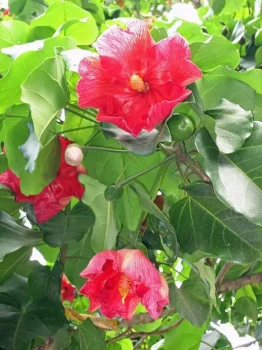
Maga: Puerto Rico’s Magnificent Native Tree Worth Protecting
Meet the maga (Thespesia grandiflora), a stunning native tree that holds a special place in Puerto Rico’s natural heritage. This remarkable species isn’t just another pretty face in the plant world – it’s a vulnerable treasure that deserves our attention and protection. If you’re lucky enough to garden in a tropical climate and want to support native biodiversity, the maga might be the perfect addition to your landscape.
A Tree with Puerto Rican Roots
The maga is endemic to Puerto Rico, meaning it exists naturally nowhere else on Earth. This perennial tree species grows exclusively in Puerto Rico, making it a truly unique part of the island’s botanical identity. However, there’s an important caveat every potential grower should know: maga has a Global Conservation Status of S3, classified as Vulnerable. This means the species faces threats and typically has only 21 to 100 occurrences or between 3,000 and 10,000 individuals remaining in the wild.
- Species observed
- No observations
Why Plant a Maga? (But Do It Responsibly!)
Important Note: Due to its vulnerable status, only plant maga if you can source it from responsible, sustainable nurseries or conservation programs. Never collect plants or seeds from wild populations.
If you can obtain ethically sourced plants, here’s why maga makes an excellent choice:
- Stunning red flowers that bloom during summer months
- Conspicuous green fruits that add visual interest year-round
- Dense, dark green foliage with coarse texture provides excellent shade
- Impressive mature size of 30 feet tall (can reach up to 50 feet in ideal conditions)
- Active growth period throughout the year in suitable climates
- Supports local ecosystem and native biodiversity
Growing Conditions: Tropical Paradise Required
Maga trees are definitely not for everyone – they need very specific growing conditions that limit them to the warmest parts of the United States, likely USDA hardiness zones 10-11. Here’s what your maga needs to thrive:
Climate Requirements
- Minimum temperature: 40°F (no frost tolerance)
- Requires 365 frost-free days per year
- Annual precipitation between 49-98 inches
- Thrives in consistently warm, tropical conditions
Soil and Site Preferences
- Adapts to coarse-textured soils (sandy)
- Also grows in medium-textured soils
- Avoid fine-textured (clay) soils
- Medium fertility requirements
- Medium tolerance for calcium carbonate
- Shade tolerant – can grow under other trees
- Minimum root depth of 36 inches needed
Planting and Care Tips
Growing maga successfully requires patience and the right approach:
Propagation: Maga is typically grown from seed, with approximately 5,622 seeds per pound. The fruiting and seeding period occurs year-round, and seeds persist well on the plant.
Spacing: Plant 320-640 trees per acre, giving each tree plenty of room to reach its mature 30-foot height and spread.
Establishment: While specific care instructions are limited due to the species’ rarity, provide consistent moisture during establishment and protect from strong winds that might damage the developing trunk.
Maintenance: Once established, maga trees are relatively low-maintenance in their preferred tropical environment. They don’t require special pruning techniques and have no known allelopathic effects (they won’t harm nearby plants).
Landscape Role and Design Ideas
In the right climate, maga serves as an excellent:
- Shade tree for large properties
- Specimen tree in tropical landscapes
- Native plant for conservation-minded gardens
- Educational tree for botanical or native plant collections
However, keep in mind that maga has low hedge tolerance, so it’s not suitable for formal pruning or tight spaces.
Supporting Conservation Through Gardening
By choosing to grow maga (when ethically sourced), you’re participating in conservation efforts for this vulnerable species. Every responsibly grown tree helps preserve genetic diversity and provides a safeguard against further population decline in the wild.
Before planting, connect with Puerto Rican botanical gardens, conservation organizations, or specialized native plant nurseries to ensure you’re obtaining plants through proper channels. This beautiful tree deserves our protection, and responsible cultivation can be part of its conservation story.
Remember: maga is a commitment to tropical gardening and species conservation. Only consider this tree if you live in a suitable climate and can source it responsibly. When grown with care and respect for its vulnerable status, maga can be a magnificent addition to the right garden – and a living symbol of Puerto Rico’s unique natural heritage.