Maguire’s Fleabane: A Rare Utah Treasure for Your Native Garden
Meet Maguire’s fleabane (Erigeron maguirei), one of Utah’s most precious botanical gems. This charming little wildflower might not be a household name, but for native plant enthusiasts and conservation-minded gardeners, it represents something truly special—a chance to help preserve a rare piece of America’s natural heritage right in your own backyard.
What Makes Maguire’s Fleabane Special?
Maguire’s fleabane is a perennial forb that belongs to the sunflower family. Don’t let the somewhat unflattering common name fool you—this plant has nothing to do with fleas! The name fleabane comes from an old belief that these plants could repel fleas, though there’s no scientific evidence to support this claim.
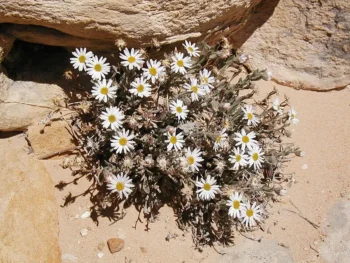
This delicate wildflower produces clusters of small, daisy-like blooms with white to pale pink petals surrounding cheerful yellow centers. As a native Utah species, it’s perfectly adapted to the challenging conditions of the American West, making it a resilient addition to water-wise gardens.
Where Does It Come From?
Maguire’s fleabane is endemic to Utah, meaning it grows nowhere else on Earth naturally. You’ll find it in the wild primarily in the Uinta Basin region, where it has adapted to the area’s unique soil and climate conditions.
- Species observed
- No observations
A Conservation Success Story in Your Garden
Important conservation note: Maguire’s fleabane carries a Global Conservation Status of S2, which means it’s considered imperiled due to extreme rarity. With typically only 6 to 20 occurrences in the wild and fewer than 1,000 to 3,000 individual plants remaining, this species is especially vulnerable to extinction.
This rarity status doesn’t mean you can’t grow it—quite the opposite! By cultivating Maguire’s fleabane in your garden, you’re contributing to conservation efforts. However, it’s crucial to source plants or seeds only from reputable native plant nurseries that propagate plants ethically, never from wild collection.
Perfect Spots for Maguire’s Fleabane
This tough little perennial thrives in:
- Rock gardens where drainage is excellent
- Native plant collections focused on Utah flora
- Xerophytic or drought-tolerant landscape designs
- Pollinator gardens featuring native species
Growing Conditions That Make It Happy
Maguire’s fleabane is surprisingly easy to please once you understand its preferences:
- Sunlight: Full sun is essential for healthy growth and flowering
- Soil: Well-draining soil is non-negotiable—this plant cannot tolerate wet feet
- Water: Drought-tolerant once established; minimal supplemental watering needed
- Climate: Hardy in USDA zones 4-7
Planting and Care Tips
Growing this rare beauty successfully comes down to mimicking its natural habitat:
- Plant in spring after the last frost date
- Ensure excellent drainage by amending heavy soils with coarse sand or gravel
- Space plants appropriately to allow for air circulation
- Water sparingly—overwatering is the quickest way to lose this plant
- Avoid fertilizing, as native plants typically prefer lean soils
Wildlife and Pollinator Benefits
Like other members of the Asteraceae family, Maguire’s fleabane serves as an important nectar source for small native bees, butterflies, and other beneficial insects. By growing this plant, you’re supporting local pollinator populations while preserving genetic diversity of a rare species.
Should You Grow Maguire’s Fleabane?
If you’re passionate about native plants, conservation, or Utah’s natural heritage, absolutely! This plant offers gardeners a unique opportunity to participate in conservation while enjoying a beautiful, low-maintenance perennial. Just remember to:
- Source plants only from reputable native plant nurseries
- Never collect from wild populations
- Consider sharing seeds with other conservation-minded gardeners (once your plants are established)
- Document your success growing this rare species
Maguire’s fleabane might be small and rare, but it packs a big punch when it comes to conservation value and western charm. For gardeners ready to embrace something truly special, this Utah endemic offers the chance to nurture one of nature’s most precious survivors.