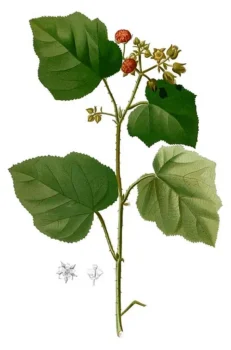
Maine Dewberry: A Rare Native Treasure Worth Protecting
If you’ve never heard of Maine dewberry (Rubus alter), you’re not alone. This elusive little native shrub is one of New England’s best-kept secrets – partly because it’s incredibly rare and partly because it’s found in only a tiny corner of the United States.
What Makes Maine Dewberry Special?
Maine dewberry is a perennial shrub that belongs to the same family as raspberries and blackberries, but it’s quite the wallflower compared to its showier cousins. This low-growing native typically stays under 1.5 feet tall and rarely exceeds 3 feet at maturity, making it more of a groundcover than a towering berry bush.
What truly sets this plant apart isn’t its size – it’s its rarity. With a Global Conservation Status of S2?Q, Maine dewberry falls into an undefined category that essentially means scientists are still trying to figure out just how rare it really is. That question mark isn’t a typo; it’s literally part of the conservation ranking, indicating uncertainty about the species’ true status.
Where Does Maine Dewberry Grow?
True to its common name, Maine dewberry has an extremely limited native range. You’ll only find this plant naturally occurring in Maine and New Hampshire – talk about being picky about your neighborhood! This restricted distribution is part of what makes it so special and so vulnerable.
- Species observed
- No observations
Should You Plant Maine Dewberry in Your Garden?
Here’s where things get a bit complicated. While Maine dewberry is undoubtedly a fascinating native plant, its rarity status means you should approach it with caution. If you’re lucky enough to find Maine dewberry available from a nursery, make absolutely sure it’s from responsibly sourced material – never collected from wild populations.
The reality is that very little is known about Maine dewberry’s specific growing requirements, preferred conditions, or garden performance. This lack of information, combined with its conservation status, makes it a challenging choice for most gardeners.
Better Alternatives for Your Native Garden
If you’re drawn to the idea of growing native dewberries, consider these better-documented alternatives:
- Northern dewberry (Rubus flagellaris) – more widely available and better understood
- Common dewberry (Rubus hispidus) – another native option with broader distribution
- Wild red raspberry (Rubus idaeus) – offers similar wildlife benefits with the bonus of edible fruit
The Conservation Angle
Maine dewberry serves as a reminder that our native flora includes many species that exist on the margins – plants that might be here today and gone tomorrow if we’re not careful. While we can’t provide specific growing tips for this rare species, we can appreciate its role in New England’s unique ecosystem and support conservation efforts that protect its natural habitat.
If you’re passionate about rare native plants, consider supporting local conservation organizations or botanical gardens that work to preserve species like Maine dewberry in their natural settings. Sometimes the best way to grow a rare plant is to protect the places where it already grows wild.
The Bottom Line
Maine dewberry represents the mysterious side of native gardening – those species that exist just beyond our full understanding. While it may not be the right choice for your backyard, knowing about plants like this helps us appreciate the incredible diversity of our native flora and the importance of protecting it for future generations.
For now, let’s leave Maine dewberry to its quiet corner of New England and focus on the many other wonderful native Rubus species that are better suited to cultivation and more readily available to gardeners.