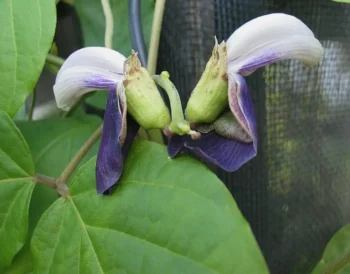
Makaha Valley Jackbean: A Critically Endangered Hawaiian Treasure
Meet the Makaha Valley jackbean (Canavalia napaliensis), one of Hawaii’s rarest native plants and a true botanical treasure that’s hanging on by a thread. This isn’t your typical garden center find – it’s a critically imperiled species that tells a story of Hawaii’s unique natural heritage and the urgent need for plant conservation.
What Makes This Plant So Special?
The Makaha Valley jackbean is a perennial herbaceous plant that belongs to the legume family. Unlike woody shrubs or trees, this forb maintains soft, non-woody stems throughout its life cycle while developing a perennial root system that allows it to return year after year.
This plant is endemic to Hawaii, meaning it exists nowhere else on Earth. It’s found exclusively in the Hawaiian Islands, where it has evolved over thousands of years to thrive in the unique island ecosystem.
- Species observed
- No observations
A Plant in Crisis
Here’s where things get serious: the Makaha Valley jackbean has a Global Conservation Status of S1, which translates to Critically Imperiled. This designation means the plant is at extreme risk of extinction, with typically five or fewer known occurrences and fewer than 1,000 individuals remaining in the wild. In the United States, it’s officially listed as Endangered.
The plant’s scientific synonyms – Canavalia makahaensis and Canavalia nualoloensis – hint at its connection to specific Hawaiian valleys, including the famous Makaha Valley on Oahu and Nualolo on Kauai’s Na Pali Coast.
Should You Grow Makaha Valley Jackbean?
This is where we need to have a frank conversation. While supporting native Hawaiian plants is incredibly important for ecosystem restoration and cultural preservation, the Makaha Valley jackbean’s critically endangered status means extra care is essential.
If you’re considering growing this plant:
- Only source material through legitimate conservation programs or botanical institutions
- Never collect seeds or plants from wild populations
- Work with local Hawaiian native plant societies or conservation organizations
- Consider this plant only if you’re committed to serious conservation efforts
Growing Conditions and Care
Unfortunately, specific cultivation information for Canavalia napaliensis is limited due to its rarity. However, as a Hawaiian endemic, it likely requires:
- Tropical or subtropical conditions (USDA zones 10-12)
- Well-draining soils typical of Hawaiian environments
- Protection from strong winds and extreme weather
- Careful attention to watering and soil conditions
Given its herbaceous nature, the plant doesn’t develop significant woody growth, making it potentially suitable for native ground cover or understory plantings in appropriate climates.
The Bigger Picture
The Makaha Valley jackbean represents something much larger than a single rare plant – it’s a symbol of Hawaii’s incredible biodiversity and the challenges facing island ecosystems worldwide. Climate change, habitat loss, and invasive species threaten many of Hawaii’s endemic plants.
For most gardeners interested in supporting Hawaiian native plants, consider starting with less critically endangered species that are more readily available through ethical sources. Many wonderful Hawaiian natives can provide similar ecological benefits without the conservation concerns.
How You Can Help
Even if you can’t grow this particular plant, you can still support its conservation:
- Donate to Hawaiian plant conservation organizations
- Support habitat restoration projects in Hawaii
- Choose other native Hawaiian plants for your garden
- Spread awareness about endangered Hawaiian flora
The Makaha Valley jackbean may be one of the rarest plants you’ll ever hear about, but its story reminds us why every native species matters. In a world where plant extinctions happen quietly and often unnoticed, giving attention to critically endangered species like this one is more important than ever.