Manatee Mudflower: Florida’s Hidden Wetland Gem
Meet one of Florida’s most intriguing native plants – the manatee mudflower (Micranthemum glomeratum). This delightful little perennial might not win any height contests, but what it lacks in stature, it makes up for in charm and ecological importance. If you’re looking to create an authentic Florida wetland garden, this rare native deserves a spot on your wishlist.
What Makes Manatee Mudflower Special?
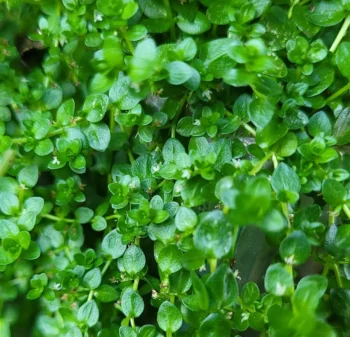
The manatee mudflower is a true Florida original – it’s found nowhere else in the world except the Sunshine State’s wetlands. This herbaceous perennial forms attractive mats of tiny, oval leaves that create a lush carpet along pond edges and in boggy areas. During blooming season, it produces clusters of small white flowers arranged in distinctive spherical heads that add delicate beauty to wetland landscapes.
As an obligate wetland plant, manatee mudflower thrives in consistently wet conditions where many other plants would struggle. It’s perfectly adapted to Florida’s unique wetland ecosystems, making it an excellent choice for gardeners wanting to recreate authentic native habitats.
Where Does It Grow?
This plant is exclusively native to Florida, where it naturally occurs in wetland areas throughout the state. Its limited geographic range makes it a truly special addition to any Florida native plant garden.
- Species observed
- No observations
A Word About Rarity
Here’s something important to know: manatee mudflower has a conservation status that suggests it may be uncommon in the wild. If you’re interested in growing this plant, it’s crucial to source it only from reputable native plant nurseries that propagate their stock responsibly rather than collecting from wild populations. By choosing nursery-propagated plants, you’re helping protect wild populations while still enjoying this unique species in your garden.
Perfect Garden Settings
Manatee mudflower shines in specific garden situations:
- Bog gardens and rain gardens
- Pond and water feature edges
- Native wetland restoration projects
- Low-maintenance groundcover in consistently wet areas
- Conservation gardens focused on rare Florida natives
Growing Conditions and Care
Success with manatee mudflower comes down to understanding its wetland nature:
Light: Prefers full sun to partial shade – it’s quite adaptable to different light conditions as long as moisture needs are met.
Water: This is the key factor. As an obligate wetland species, it requires consistently wet to saturated soil conditions. Think of it as nature’s way of saying the wetter, the better!
Soil: Thrives in rich, organic wetland soils that stay consistently moist.
Climate: Hardy in USDA zones 8b through 11, perfectly suited for Florida’s subtropical and tropical climates.
Planting and Maintenance Tips
Once you’ve found a responsibly sourced plant, manatee mudflower is relatively low-maintenance:
- Plant in consistently wet areas – dry spells will stress this moisture-loving plant
- Allow it to spread naturally by runners to form attractive groundcover mats
- Minimal fertilization needed in rich wetland soils
- Very few pest or disease issues when grown in appropriate conditions
Wildlife and Pollinator Value
While small, the clustered white flowers of manatee mudflower provide nectar sources for tiny pollinators including small flies and gnats. As part of Florida’s native wetland ecosystem, it also contributes to the complex web of relationships that support local wildlife.
Is Manatee Mudflower Right for Your Garden?
Consider manatee mudflower if you:
- Have consistently wet areas in your Florida landscape
- Are creating a native wetland garden or bog garden
- Want to support conservation by growing rare native species
- Appreciate subtle beauty and unique groundcover options
- Are committed to sourcing plants responsibly
This isn’t the plant for dry gardens or areas with inconsistent moisture. But if you have the right wetland conditions and want to grow something truly special – a plant that exists nowhere else on Earth except Florida – manatee mudflower could be the perfect addition to your native plant collection.
Remember, when you choose to grow rare natives like manatee mudflower, you’re not just adding beauty to your garden – you’re becoming a conservation partner, helping preserve Florida’s unique botanical heritage for future generations.