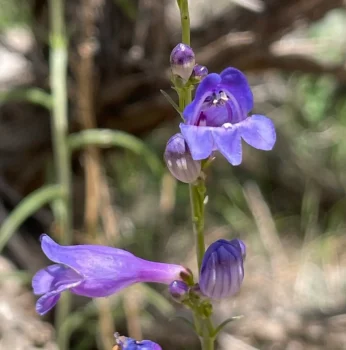
Mancos Penstemon: A Rare Southwestern Beauty Worth Growing Responsibly
If you’re looking to add some southwestern charm to your garden while supporting native wildlife, the Mancos penstemon (Penstemon strictiformis) might just be the perfect addition. This stunning perennial herb brings vertical drama and vibrant color to drought-tolerant landscapes, but there’s an important caveat every gardener should know before planting.
What Makes Mancos Penstemon Special
The Mancos penstemon is a true native treasure, belonging exclusively to the Four Corners region of the American Southwest. This perennial forb herb produces gorgeous tubular flowers in shades of purple-blue to violet, arranged in tall, dense spikes that create eye-catching vertical interest in any garden setting.
Unlike woody shrubs or trees, this penstemon is classified as a forb herb—essentially a flowering plant that stays relatively soft and herbaceous throughout its life. Don’t let that fool you into thinking it’s delicate, though. This southwestern native is built to handle tough conditions!
Where Does It Naturally Grow?
Penstemon strictiformis calls the Four Corners region home, naturally occurring across Arizona, Colorado, New Mexico, and Utah. This limited native range gives you a clue about the specific growing conditions it prefers and thrives in.
- Species observed
- No observations
A Word of Caution: Rarity Matters
Here’s where things get important: Mancos penstemon has a Global Conservation Status of S3?, which indicates its conservation status is undefined but potentially at risk. This means if you’re interested in growing this beauty, you absolutely must source it responsibly. Never collect seeds or plants from wild populations—instead, seek out reputable native plant nurseries that propagate their stock ethically.
Garden Design and Landscape Role
When grown responsibly, Mancos penstemon serves as an excellent structural element in garden design. Its upright growth habit and tall flower spikes make it perfect for:
- Adding vertical interest to mixed perennial borders
- Creating focal points in drought-tolerant gardens
- Naturalizing in wildflower meadows
- Anchoring rock garden designs
- Providing habitat in native plant gardens
Perfect Garden Settings
This penstemon absolutely shines in:
- Xerophytic (dry) gardens
- Native southwestern landscapes
- Rock and gravel gardens
- Low-water-use landscapes
- Pollinator gardens
Growing Conditions and Care
Mancos penstemon is surprisingly adaptable within USDA hardiness zones 4-8, making it suitable for many regions beyond its native range. Here’s what it needs to thrive:
Soil: Well-draining soil is absolutely critical. This plant cannot tolerate soggy conditions and prefers alkaline to neutral pH levels.
Light: Full sun to partial shade works well, though it typically flowers best with at least 6 hours of direct sunlight.
Water: Once established, it’s quite drought tolerant. Water regularly during the first growing season, then reduce frequency significantly.
Planting and Care Tips
Getting your Mancos penstemon off to a good start is easier than you might think:
- Plant in spring or fall when temperatures are moderate
- Ensure excellent drainage—amend clay soils with coarse sand or gravel
- Water consistently the first year, then back off once established
- Skip the fertilizer—these natives prefer lean soils
- Deadhead spent flowers to encourage continued blooming
- Leave seed heads in fall for wildlife and winter interest
Wildlife and Pollinator Benefits
One of the best reasons to grow Mancos penstemon is its incredible value to wildlife. The tubular flowers are perfectly designed for hummingbirds, which love the nectar-rich blooms. Native bees and butterflies also frequent the flowers, making this plant a fantastic addition to any pollinator garden.
The Bottom Line
Mancos penstemon is undoubtedly a beautiful and ecologically valuable addition to appropriate gardens. Its drought tolerance, pollinator benefits, and stunning flowers make it highly desirable. However, its potentially at-risk conservation status means every gardener has a responsibility to source plants ethically and never harvest from wild populations.
If you can find responsibly propagated plants or seeds from reputable sources, this southwestern native could be a wonderful way to support regional biodiversity while adding unique beauty to your landscape. Just remember—with great plants comes great responsibility!