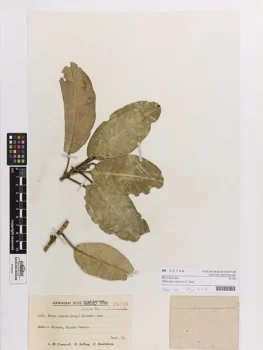
Manena: A Rare Hawaiian Native Worth Protecting in Your Garden
If you’re passionate about Hawaiian native plants and conservation gardening, you’ve likely heard whispers about manena (Melicope cinerea). This unassuming shrub might not win any flashy flower contests, but it holds a special place in Hawaii’s botanical heritage – and frankly, it needs our help to survive.
What Makes Manena Special?
Manena belongs to the citrus family (Rutaceae) and is a true Hawaiian endemic, meaning it exists nowhere else on Earth. This perennial shrub typically grows as a multi-stemmed woody plant, usually staying under 13-16 feet tall, though it can vary depending on growing conditions. Like many native Hawaiian plants, it has adapted to the islands’ unique climate and ecosystem over thousands of years.
You might also see this plant listed under its former scientific names, including Pelea cinerea, but botanists now recognize it as Melicope cinerea.
Where Does Manena Grow?
This rare shrub is found only in Hawaii, where it naturally occurs in dry to mesic (moderately moist) forests and shrublands. Unfortunately, manena has become critically rare in the wild, earning a Global Conservation Status of S1 – meaning it’s critically imperiled with typically five or fewer known populations and fewer than 1,000 remaining individuals.
- Species observed
- No observations
The Conservation Reality Check
Here’s the thing about manena – it’s not your typical pop it in the ground and watch it thrive garden plant. With its critically imperiled status, this species teeters on the edge of extinction. If you’re considering growing manena, you’re essentially becoming a conservation partner, which is both exciting and responsibility-heavy.
Important: Only source manena from reputable native plant nurseries or conservation programs that use ethically collected seeds or cuttings. Never collect from wild populations – they simply can’t spare any plants.
Growing Manena Successfully
If you’re committed to growing this rare beauty, here’s what you need to know:
Climate Requirements
- USDA Hardiness Zones 10-12 only (tropical and subtropical climates)
- Cannot tolerate frost or freezing temperatures
- Thrives in Hawaii’s year-round warmth
Growing Conditions
- Prefers well-draining soils – soggy feet are a no-go
- Partial shade to full sun exposure
- Moderate moisture levels once established
- Protection from strong winds and harsh conditions
Care Tips
- Water regularly during establishment, then reduce as the plant matures
- Mulch around the base to retain moisture and suppress weeds
- Avoid heavy fertilization – native plants often prefer lean soils
- Monitor for pests, though native plants typically have fewer issues
Garden Role and Design Ideas
Manena works best in specialized garden settings rather than typical residential landscapes. Consider it for:
- Native Hawaiian restoration projects
- Cultural or heritage gardens celebrating Hawaiian flora
- Botanical collections focused on rare species
- Educational gardens where its conservation story can be shared
While manena might not provide the showy blooms of tropical favorites like hibiscus, it offers something more valuable – a connection to Hawaii’s natural heritage and a chance to participate in species preservation.
Wildlife and Ecosystem Benefits
As a native Hawaiian species, manena likely evolved relationships with local wildlife, potentially providing nectar for native insects and birds. By growing this plant, you’re supporting the broader ecosystem web that depends on native flora.
Should You Grow Manena?
Honestly? Only if you’re truly committed to conservation and have experience with native Hawaiian plants. Manena isn’t for casual gardeners or those seeking easy ornamental options. But if you’re passionate about rare species preservation and have the right climate and growing conditions, cultivating manena becomes a meaningful act of conservation.
Consider this plant if you:
- Live in tropical zones 10-12
- Have experience with native plant cultivation
- Can source plants responsibly
- Want to contribute to species conservation
- Appreciate plants for their ecological and cultural value
Remember, every manena plant grown in cultivation is potentially one step back from extinction. While it might not be the easiest native plant to grow, it might just be one of the most important.