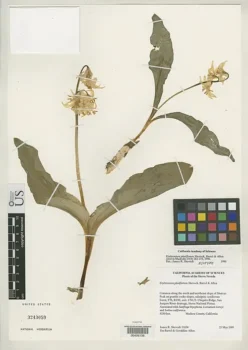
Manyflower Fawnlily: A Rare California Native Worth Protecting
If you’re passionate about rare native plants and have a knack for growing challenging species, the manyflower fawnlily (Erythronium pluriflorum) might just capture your heart. This enchanting spring ephemeral is one of California’s botanical treasures, though its rarity makes it a plant that requires both dedication and responsibility to grow.
What Makes Manyflower Fawnlily Special
The manyflower fawnlily is a perennial forb that belongs to the lily family, emerging each spring with distinctive mottled leaves and graceful nodding flowers. True to its name, this species can produce multiple flowers per plant—a delightful characteristic that sets it apart from some of its single-flowered relatives. The blooms typically appear in white to pale pink hues, creating an ethereal display in early spring before disappearing underground for the rest of the year.
A California Endemic with Conservation Concerns
This native beauty calls California home exclusively, where it grows naturally in the Sierra Nevada foothills. However, here’s where things get serious: Erythronium pluriflorum has a Global Conservation Status of S2, meaning it’s imperiled due to extreme rarity. With only an estimated 6 to 20 known occurrences and potentially fewer than 3,000 individual plants remaining in the wild, this species faces significant vulnerability to extinction.
- Species observed
- No observations
Should You Grow Manyflower Fawnlily?
The short answer is: only if you can source it responsibly and are committed to conservation. Given its imperiled status, growing this rare native comes with important ethical considerations:
- Only purchase bulbs from reputable nurseries that propagate from legally obtained, nursery-grown stock
- Never collect bulbs from wild populations
- Consider participating in seed banking or conservation efforts if possible
- Share seeds or bulbs with other conservation-minded gardeners to help preserve the species
Garden Role and Landscape Design
If you do decide to grow manyflower fawnlily, it works beautifully in woodland gardens, native plant collections, or naturalistic rock gardens. As a spring ephemeral, it provides early-season interest before retreating underground, making it perfect for layering with other plants that will fill the space during summer and fall. The mottled foliage and delicate flowers add subtle elegance to shaded areas.
Growing Conditions and Care
Like many California natives, manyflower fawnlily has adapted to the state’s Mediterranean climate with wet winters and dry summers. Here’s what it needs to thrive:
- Light: Partial shade to filtered sunlight
- Soil: Well-draining soil that doesn’t stay waterlogged
- Water: Moderate moisture in winter and spring, followed by a dry summer dormancy period
- Climate: Suitable for USDA zones 7-9, particularly areas with California’s natural climate patterns
Planting and Care Tips
Success with manyflower fawnlily requires mimicking its natural growing cycle:
- Plant bulbs in fall, about 4-6 inches deep
- Provide consistent moisture during the growing season (winter through spring)
- Allow the soil to dry out during summer dormancy—this is crucial for bulb health
- Avoid disturbing the bulbs once planted, as they can be slow to establish
- Be patient—it may take several years for newly planted bulbs to bloom
Wildlife and Pollinator Benefits
Early spring bloomers like manyflower fawnlily play a vital role in supporting native pollinators when few other flowers are available. Native bees, butterflies, and other beneficial insects rely on these early nectar sources to fuel their spring activities and reproduction cycles.
The Bottom Line
Manyflower fawnlily represents both the beauty and fragility of California’s native flora. While it can be a rewarding addition to the right garden, growing this rare species comes with the responsibility of conservation stewardship. If you’re not ready for that commitment, consider supporting conservation efforts financially or choose other native Erythronium species that are more common and readily available.
Remember: every rare plant we grow responsibly in our gardens is a small victory for conservation, but only when we source them ethically and grow them with care.