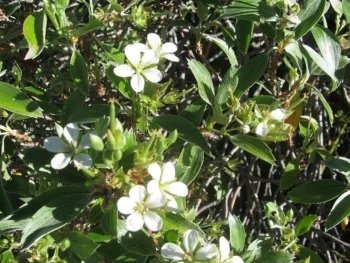
Manyflower Geranium: A Rare Hawaiian Native Worth Protecting in Your Garden
If you’re passionate about native Hawaiian plants and conservation gardening, the manyflower geranium (Geranium multiflorum) might just capture your heart. This charming endemic shrub brings both beauty and ecological significance to island landscapes, though its rarity makes it a plant that deserves special consideration and care.
What Makes Manyflower Geranium Special
The manyflower geranium is a true Hawaiian original – found nowhere else on Earth. This perennial shrub typically grows as a multi-stemmed woody plant, usually staying under 13-16 feet in height. True to its name, it produces numerous small, delicate flowers that range from pink to purple, creating a lovely display against its deeply divided, attractive foliage.
Where You’ll Find This Island Native
This endemic beauty calls Hawaii home exclusively, thriving in the unique volcanic landscapes of the Hawaiian Islands. You’ll naturally find it growing on volcanic slopes and in dry forest areas, where it has adapted perfectly to the islands’ distinctive growing conditions.
- Species observed
- No observations
A Plant That Needs Our Help
Important Conservation Note: Before you fall completely in love with this plant, there’s something crucial to know. Manyflower geranium has a Global Conservation Status of S2, meaning it’s imperiled due to extreme rarity. In the United States, it’s listed as Endangered. This means if you choose to grow it, you must source it responsibly from reputable native plant nurseries or conservation programs – never from wild populations.
Garden Design and Landscape Role
In the right setting, manyflower geranium makes an excellent addition to:
- Native Hawaiian plant gardens
- Drought-tolerant xerophytic landscapes
- Rock gardens with excellent drainage
- Conservation-focused botanical displays
Its compact, shrubby form works beautifully as a specimen plant or in small groupings, where its delicate flowers can be appreciated up close.
Growing Conditions and Care
Like many Hawaiian natives, manyflower geranium has adapted to some pretty specific conditions:
- Climate: USDA hardiness zones 9-11 only (it needs that tropical/subtropical warmth)
- Soil: Excellent drainage is absolutely critical – think volcanic, well-draining soils
- Water: Drought-tolerant once established, but appreciates some water during establishment
- Light: Partial shade to full sun, depending on your specific microclimate
- Wetland tolerance: Facultative – it can handle both wetland and non-wetland conditions
Planting and Care Tips
Success with manyflower geranium comes down to mimicking its natural habitat:
- Ensure exceptional drainage – this cannot be overstated
- Plant in spring or fall when temperatures are more moderate
- Water regularly during the first growing season, then reduce significantly
- Protect from strong winds, which can damage its delicate structure
- Avoid heavy fertilization – it’s adapted to nutrient-poor volcanic soils
Supporting Pollinators and Wildlife
While we’re still learning about all the wildlife relationships this rare plant supports, native Hawaiian geraniums typically attract local insects and can support some introduced pollinators as well. By growing native plants like this one, you’re helping maintain the ecological connections that make Hawaiian ecosystems unique.
Should You Grow Manyflower Geranium?
This is a plant for the dedicated native plant enthusiast who understands the responsibility that comes with growing rare species. If you’re committed to conservation, have the right growing conditions (those warm hardiness zones and excellent drainage), and can source the plant ethically, manyflower geranium can be a meaningful addition to your garden.
However, if you’re new to native gardening or don’t have ideal conditions, consider starting with more common Hawaiian natives before taking on this rare beauty. The plant world needs more people who care about conservation – but it also needs those rare plants to survive and thrive.
Remember: with great plants comes great responsibility, especially when they’re as special and vulnerable as the manyflower geranium.