Manyflowered Navarretia: A Rare California Native Worth Protecting
If you’re a native plant enthusiast with a passion for conservation, you might have heard whispers about the manyflowered navarretia (Navarretia leucocephala plieantha). This tiny annual wildflower is one of California’s most precious botanical gems – and unfortunately, one of its rarest.
A Plant with a Story
The manyflowered navarretia goes by the scientific name Navarretia leucocephala plieantha, though you might also see it listed under its synonym Navarretia plieantha. Don’t let the fancy names intimidate you – this is simply a small, delicate wildflower that happens to be incredibly special.
As an annual forb (that’s botanist-speak for a non-woody herbaceous plant), this California native completes its entire life cycle in just one year. But what it lacks in longevity, it makes up for in charm and ecological importance.
Where Does It Call Home?
This rare beauty is endemic to California, meaning it grows naturally nowhere else on Earth. Its limited range makes it particularly vulnerable, which is why it’s currently listed as Endangered in the United States with a Global Conservation Status of S4T1.
- Species observed
- No observations
Should You Grow Manyflowered Navarretia?
Here’s the important part: Due to its endangered status, we strongly recommend only planting manyflowered navarretia if you can source it from reputable native plant nurseries or conservation organizations that use responsibly collected seeds. Never collect seeds or plants from wild populations.
If you’re committed to conservation and can source it ethically, this plant offers several benefits:
- Supports native California ecosystems
- Provides nectar for small native bees and other pollinators
- Adds authentic wildflower charm to native plant gardens
- Contributes to species conservation efforts
What Does It Look Like?
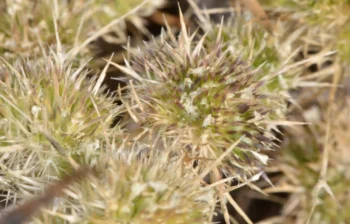
Manyflowered navarretia is a petite annual with delicate white clustered flowers that live up to its manyflowered name. As a forb, it maintains a low, herbaceous growth habit without any woody stems. Its subtle beauty makes it perfect for close-up viewing in specialized native plant collections.
Growing Conditions and Care
If you’re lucky enough to obtain seeds from a responsible source, here’s what this California native prefers:
- Climate: USDA zones 9-10, thriving in Mediterranean-type climates
- Sunlight: Full sun exposure
- Soil: Well-draining soils; avoid heavy clay or constantly moist conditions
- Water: Minimal irrigation once established; adapted to California’s dry summers
- Planting: Direct seed in fall for spring germination
Garden Design Ideas
Manyflowered navarretia works best in:
- Specialized native plant gardens
- Conservation-focused landscapes
- Wildflower meadow restorations
- Educational or botanical garden displays
Due to its small size and specific needs, it’s not ideal for general landscape use but shines in dedicated native plant collections where its conservation story can be shared.
The Conservation Connection
By choosing to grow rare natives like manyflowered navarretia (when responsibly sourced), you become part of a larger conservation effort. These plants serve as genetic reservoirs and help maintain the biodiversity that makes California’s ecosystems so unique.
Remember: the goal isn’t just to grow a pretty flower, but to participate in preserving California’s natural heritage for future generations. If you can’t find responsibly sourced manyflowered navarretia, consider other California native annuals that are more readily available and can provide similar ecological benefits without conservation concerns.
Every rare plant we grow responsibly is a small victory for biodiversity – and that’s something worth celebrating in any garden.