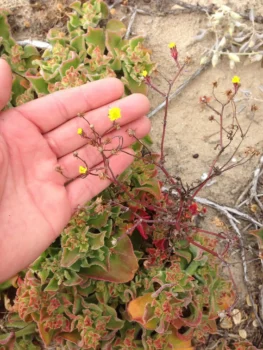
Manyhead Desertdandelion: A Rare California Native Worth Knowing
If you’re passionate about native California plants and drawn to unique wildflowers, you might be intrigued by the manyhead desertdandelion (Malacothrix foliosa polycephala). This annual forb represents a fascinating piece of California’s botanical heritage, though it’s not your typical garden center find.
What Makes This Plant Special
The manyhead desertdandelion belongs to the sunflower family and lives up to its manyhead name by producing multiple flower heads on each plant. As an annual forb, it completes its entire life cycle in one growing season, making it a fleeting but memorable addition to the landscape when conditions are right.
Where You’ll Find It Growing Wild
This native beauty calls California home, where it has adapted to the state’s unique climate and growing conditions. It’s truly a homegrown treasure that has evolved alongside California’s other native species over thousands of years.
- Species observed
- No observations
A Word of Caution: Rarity Matters
Before you get too excited about adding this plant to your garden, there’s something important to know. The manyhead desertdandelion has a Global Conservation Status of S4T3, which indicates some level of conservation concern. This means that while it’s not critically endangered, it’s not exactly common either.
If you’re determined to grow this native gem, please only source it from reputable native plant nurseries that propagate their stock responsibly rather than collecting from wild populations.
Garden Potential and Growing Considerations
As an annual forb, the manyhead desertdandelion offers several potential benefits for native plant enthusiasts:
- Supports authentic California ecosystems
- Likely provides nectar and pollen for native pollinators
- Adds diversity to native wildflower gardens
- Represents true regional heritage plantings
However, detailed growing information for this specific subspecies is limited, which reflects its specialized nature and relative rarity in cultivation.
Is This Plant Right for Your Garden?
The manyhead desertdandelion might appeal to you if:
- You’re a dedicated native plant collector
- You want to support California’s botanical heritage
- You enjoy growing unusual or less common species
- You’re creating habitat for native pollinators and wildlife
However, you might want to consider other options if you’re looking for reliable, easy-to-find native plants or if you’re just starting your native gardening journey.
Alternative Native Choices
If the rarity and limited availability of manyhead desertdandelion puts it out of reach, consider these more readily available California native alternatives that offer similar ecological benefits:
- Desert marigold (Baileya multiradiata)
- Coreopsis species native to California
- California poppies (Eschscholzia californica)
- Other Malacothrix species that are more common
The Bottom Line
The manyhead desertdandelion represents the fascinating diversity of California’s native flora, but its conservation status means it requires thoughtful consideration. If you can source it responsibly and you’re committed to supporting rare native plants, it could be a meaningful addition to a specialized native garden. For most gardeners, however, choosing more common native alternatives will provide similar ecological benefits while supporting conservation efforts for rarer species like this one.
Remember, every native plant we grow helps support local ecosystems, whether it’s a rare gem like the manyhead desertdandelion or a more common California native. The key is making informed, responsible choices that benefit both our gardens and the natural world around us.