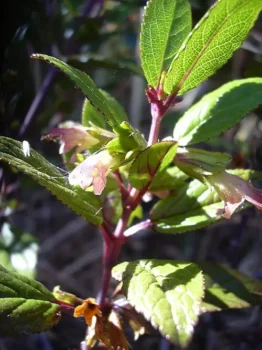
Ma’ohi’ohi: A Rare Hawaiian Native Worth Protecting in Your Garden
If you’re passionate about native Hawaiian plants and conservation gardening, ma’ohi’ohi (Stenogyne rugosa) might just capture your heart. This charming little perennial herb represents both the beauty and fragility of Hawaii’s unique flora, making it a meaningful addition to the right garden setting.
What Makes Ma’ohi’ohi Special
Ma’ohi’ohi is a true Hawaiian endemic, meaning it exists nowhere else on Earth except in the Hawaiian Islands. This herbaceous perennial belongs to the mint family and showcases the incredible plant diversity that evolved in isolation across the Pacific. As a forb herb, it lacks woody stems but makes up for it with its delicate charm and ecological importance.
Where You’ll Find This Hawaiian Gem
Originally, ma’ohi’ohi called the islands of Oahu and Molokai home, thriving in Hawaii’s unique microclimates. Today, you’ll only find it growing naturally in Hawaii, where it clings to existence in scattered populations.
- Species observed
- No observations
A Plant That Needs Our Help
Here’s where things get serious: ma’ohi’ohi carries a Global Conservation Status of S2, which means it’s imperiled. With typically only 6 to 20 known occurrences and between 1,000 to 3,000 remaining individuals in the wild, this little plant is fighting for survival. Extreme rarity and various environmental pressures make it especially vulnerable to disappearing forever.
What this means for gardeners: If you’re considering adding ma’ohi’ohi to your garden, you absolutely can—but only with responsibly sourced material. Never collect plants from the wild, and always purchase from reputable native plant nurseries that propagate their stock ethically.
Garden Appeal and Design Role
Despite its conservation challenges, ma’ohi’ohi offers genuine garden appeal. Its small white tubular flowers create delicate displays that attract native Hawaiian pollinators, while its foliage adds texture and authenticity to native plant gardens. This low-growing herb works beautifully as:
- Ground cover in native Hawaiian landscapes
- Accent plants in rock gardens
- Conservation showcase specimens
- Educational plantings that tell Hawaii’s botanical story
Growing Conditions and Care
Ma’ohi’ohi thrives in USDA hardiness zones 10-11, making it suitable for tropical and subtropical climates. If you’re lucky enough to garden in these zones, here’s what this Hawaiian native needs:
- Soil: Excellent drainage is non-negotiable—soggy soil spells disaster
- Light: Partial shade to full sun, though some protection from harsh afternoon sun helps
- Water: Drought tolerant once established, but appreciates occasional deep watering during dry spells
- Wind protection: Shield from strong, drying winds
Planting and Care Tips
Successfully growing ma’ohi’ohi requires attention to its native Hawaiian habitat preferences:
- Plant in well-draining soil—consider raised beds or slopes if drainage is questionable
- Water regularly during establishment, then reduce frequency
- Mulch lightly to conserve moisture and suppress weeds
- Avoid overwatering, which can lead to root rot
- Give plants space to spread naturally as ground cover
Supporting Conservation Through Gardening
By choosing to grow ma’ohi’ohi from responsibly sourced stock, you become part of its conservation story. Home gardens can serve as genetic repositories and educational showcases, helping ensure this rare Hawaiian endemic doesn’t disappear forever. Every plant grown in cultivation potentially represents hope for the species’ future.
Remember: the goal isn’t just to grow a pretty plant—it’s to participate in preserving Hawaii’s irreplaceable natural heritage for future generations.