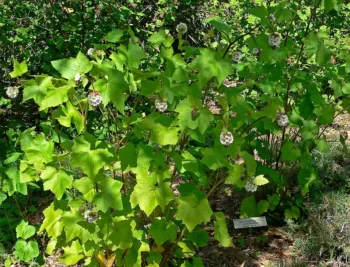
Mapleleaf Checkerbloom: A Charming Native Wildflower for West Coast Gardens
If you’re looking to add a touch of delicate pink beauty to your garden while supporting local wildlife, mapleleaf checkerbloom (Sidalcea malachroides) might just be the perfect addition. This lovely native perennial brings both charm and ecological value to West Coast landscapes, though it’s a bit of a hidden gem that deserves more attention from gardeners.
What Makes Mapleleaf Checkerbloom Special?
Mapleleaf checkerbloom is a perennial forb that’s as pretty as its name suggests. The mapleleaf part comes from its distinctive lobed leaves that bear a resemblance to small maple leaves, while checkerbloom refers to the checkered pattern often visible in its delicate pink to rose-colored flowers. These blooms appear in attractive terminal spikes that dance above the foliage from late spring through summer.
As a native wildflower, this plant has been gracing the landscapes of California and Oregon for thousands of years, making it perfectly adapted to West Coast growing conditions.
Where Does It Grow Naturally?
Mapleleaf checkerbloom is native to California and Oregon, where it naturally occurs in coastal ranges and Sierra Nevada foothills. You’ll find it thriving in meadows, grasslands, and open woodland areas throughout these regions.
- Species observed
- No observations
A Note About Conservation
Here’s something important to know: mapleleaf checkerbloom has a conservation status of S3S4, which means it’s considered somewhat uncommon in its native range. This doesn’t mean you shouldn’t grow it—quite the opposite! By including it in your garden, you’re helping preserve this beautiful native species. Just make sure to source your plants or seeds from reputable native plant nurseries that use responsible collection practices.
Why Grow Mapleleaf Checkerbloom?
There are plenty of reasons to fall in love with this charming wildflower:
- Supports native pollinators like bees and butterflies
- Perfectly adapted to local climate conditions
- Low maintenance once established
- Adds soft, cottage garden appeal to landscapes
- Blooms for an extended period through summer
- Helps preserve a native species
Growing Conditions and Care
One of the best things about growing native plants is that they’re naturally suited to your local conditions. Mapleleaf checkerbloom thrives in USDA hardiness zones 7-10, making it perfect for most of California and Oregon.
Light: This wildflower prefers full sun but can tolerate partial shade, especially in hotter inland areas.
Soil: Well-draining soil is essential. It’s not particularly fussy about soil type but doesn’t like to sit in soggy conditions.
Water: Moderate water needs during the growing season, but becomes quite drought tolerant once established. This makes it perfect for water-wise gardening.
Planting and Care Tips
Getting your mapleleaf checkerbloom off to a good start is pretty straightforward:
- Plant in spring after the last frost
- Space plants about 18-24 inches apart
- Water regularly the first year to help establish roots
- Deadhead spent flowers to encourage continued blooming
- Allow some flowers to go to seed if you want natural reseeding
- Cut back in late fall or early spring
Garden Design Ideas
Mapleleaf checkerbloom works beautifully in several garden settings:
- Native plant gardens: Combine with other California and Oregon natives for an authentic wildflower meadow look
- Cottage gardens: Its soft pink flowers and informal growth habit fit perfectly with the cottage garden aesthetic
- Pollinator gardens: Plant alongside other bee and butterfly favorites
- Mixed borders: Use in the middle of borders where its moderate height (typically 2-4 feet) won’t overshadow shorter plants
Supporting Wildlife
Like many native wildflowers, mapleleaf checkerbloom is a valuable resource for local wildlife. Its flowers attract native bees, butterflies, and other beneficial insects, while birds may enjoy the seeds. By growing this plant, you’re creating habitat and food sources for creatures that have co-evolved with it over millennia.
The Bottom Line
Mapleleaf checkerbloom is a wonderful choice for gardeners in California and Oregon who want to grow beautiful, low-maintenance plants that support local ecosystems. While it may not be as common as some other native wildflowers, that’s exactly why it deserves a place in more gardens. Just remember to source it responsibly, and you’ll be rewarded with years of delicate pink blooms and the satisfaction of helping preserve a special piece of West Coast natural heritage.
Ready to add this charming native to your garden? Look for mapleleaf checkerbloom at specialized native plant nurseries, and get ready to enjoy both its beauty and its ecological benefits!