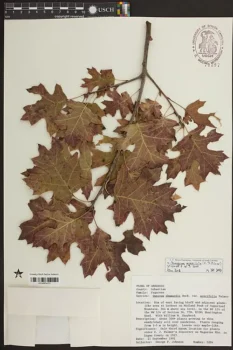
Mapleleaf Oak: Arkansas’s Rarest Tree Treasure
Meet one of America’s most exclusive native trees – the mapleleaf oak (Quercus acerifolia). This isn’t just any oak tree; it’s a botanical celebrity that’s so rare, you’re more likely to spot a shooting star than find one growing wild. But here’s the exciting part: with responsible sourcing, you might be able to welcome this Arkansas native into your own landscape.
What Makes Mapleleaf Oak Special?
The mapleleaf oak is nature’s little joke on botanists. Despite being a true oak, its leaves look exactly like those of a maple tree – hence the name! This perennial tree grows as a single-trunked specimen that can reach over 13-16 feet in height, making it a perfect statement piece for the right garden.
Also known by its scientific name Quercus acerifolia, this tree is native to the lower 48 states but has an extremely limited range. You’ll find it exclusively in Arkansas, where it clings to existence in the Ouachita Mountains region.
- Species observed
- No observations
A Word of Caution: This Tree is Critically Rare
Before you start planning where to plant one, here’s what you need to know: The mapleleaf oak has a Global Conservation Status of S1, meaning it’s critically imperiled. With typically 5 or fewer occurrences and very few remaining individuals (fewer than 1,000), this tree is hanging on by a thread in the wild.
If you’re interested in growing a mapleleaf oak, please only obtain plants from reputable nurseries that use responsibly sourced, propagated material – never collect from wild populations. By growing this species responsibly, you’re actually contributing to conservation efforts!
Why Consider Growing Mapleleaf Oak?
Despite its rarity challenges, there are compelling reasons to include this tree in your landscape:
- Unique aesthetic appeal: Those maple-like leaves on an oak tree are real conversation starters
- Conservation impact: You’ll be helping preserve a critically endangered species
- Native plant authenticity: Perfect for native plant gardens and woodland landscapes
- Wildlife support: Like other oaks, it produces acorns that support local wildlife
Growing Conditions and Care
Mapleleaf oak thrives in USDA hardiness zones 6-8, making it suitable for much of the central and southern United States. Here’s how to give it the best chance of success:
Ideal Growing Conditions
- Sunlight: Partial to full sun exposure
- Soil: Well-drained, acidic soils (mimicking its native Arkansas mountain habitat)
- Water: Drought tolerant once established, but benefits from regular watering during establishment
- Space: Allow plenty of room for growth as a specimen tree
Planting and Care Tips
Growing mapleleaf oak successfully requires patience and the right approach:
- Plant in spring after the last frost for best establishment
- Choose a location with good air circulation and drainage
- Mulch around the base to retain moisture and suppress weeds
- Water regularly during the first few years until the root system establishes
- Be patient – oaks are typically slow to moderate growers
Perfect for Conservation-Minded Gardeners
The mapleleaf oak is ideal for native plant gardens, woodland landscapes, and conservation-focused properties. It works beautifully as a specimen tree where its unique foliage can be appreciated up close. Consider it for:
- Native plant collections
- Woodland garden edges
- Conservation landscapes
- Educational gardens
The Bottom Line
Should you plant a mapleleaf oak? If you can source it responsibly and you’re committed to conservation, absolutely! This tree offers the chance to grow something truly special while contributing to the preservation of one of America’s rarest native trees. Just remember: with great rarity comes great responsibility. Make sure any plant you acquire comes from ethical propagation, not wild collection.
By choosing to grow this Arkansas treasure, you’re not just adding an unusual tree to your landscape – you’re becoming part of its conservation story. And honestly, how cool is it to tell visitors you’re growing one of the rarest oaks in North America right in your own backyard?