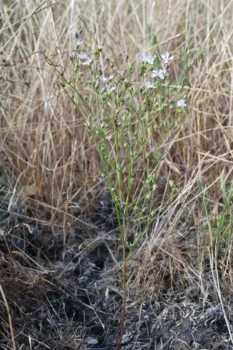
Marin Dwarf-Flax: A Rare Gem for California Native Gardens
If you’re passionate about California native plants and conservation, you’ve probably never heard of Marin dwarf-flax (Hesperolinon congestum). This tiny annual wildflower is one of the Golden State’s best-kept secrets—and one of its most precious botanical treasures. While it may not be the showiest plant in your garden, this delicate beauty offers something far more valuable: a chance to help preserve a truly rare piece of California’s natural heritage.
What Makes Marin Dwarf-Flax Special?
Marin dwarf-flax is a petite annual forb that belongs to the flax family. Don’t let its small stature fool you—this little plant packs a lot of charm into its compact form. Growing as a low, delicate herb, it produces tiny white to pale pink flowers with five petals that seem to dance above fine, needle-like leaves. The overall effect is ethereal and graceful, like nature’s own miniature wildflower bouquet.
As an annual, Marin dwarf-flax completes its entire life cycle in one growing season, typically germinating with winter rains, blooming in spring, setting seed, and then dying back as California’s dry summer arrives.
A True California Native
This special plant is endemic to California, meaning it grows naturally nowhere else on Earth. Its range is incredibly limited, found primarily in Marin County and nearby coastal areas of the Golden State. This narrow distribution makes it a true local treasure.
- Species observed
- No observations
Important Conservation Alert
Before you rush to add Marin dwarf-flax to your shopping list, there’s something crucial you need to know: This plant is rare—really rare. It has a Global Conservation Status of S2, meaning it’s considered imperiled due to extreme rarity and vulnerability. In the United States, it’s classified as Threatened, with only 6 to 20 known occurrences and fewer than 1,000 to 3,000 remaining individuals in the wild.
If you’re interested in growing Marin dwarf-flax, please only source seeds or plants from reputable native plant nurseries that can verify their material was ethically and sustainably collected. Never collect seeds from wild populations—every plant in nature is precious for the species’ survival.
Why Grow Marin Dwarf-Flax?
Despite—or perhaps because of—its rarity, there are compelling reasons to consider this plant for your native garden:
- Conservation Impact: Growing it in cultivation helps preserve genetic diversity and reduces pressure on wild populations
- Unique Beauty: Its delicate flowers and fine foliage add subtle texture and charm to native plantings
- Pollinator Support: The small flowers attract native bees and other tiny pollinators
- California Heritage: You’ll be growing a piece of California’s irreplaceable botanical legacy
- Educational Value: It’s a conversation starter about rare plant conservation
Garden Design and Landscaping Uses
Marin dwarf-flax is perfect for specialized native gardens where its subtle beauty can be appreciated up close. Consider using it in:
- Rock gardens where its delicate form can be showcased
- Native wildflower meadows mixed with other California annuals
- Drought-tolerant landscapes that mimic coastal prairie habitats
- Educational or demonstration gardens focused on rare plants
- Container gardens where you can control growing conditions precisely
Growing Conditions and Care
Like many California natives, Marin dwarf-flax has adapted to the Mediterranean climate pattern of wet winters and dry summers. Here’s how to grow it successfully:
Climate Zones: Best suited for USDA zones 9-10, particularly areas with Mediterranean-type climates
Light Requirements: Full sun to partial shade
Soil Needs: Well-drained soils are essential—this plant won’t tolerate soggy conditions
Water Requirements: Water during the winter growing season, then allow it to dry out completely during summer dormancy
Planting and Care Tips
Growing Marin dwarf-flax requires patience and attention to detail:
- Timing: Sow seeds in fall to mimic natural germination patterns
- Seeding: Direct sow rather than transplanting, as many annuals prefer this method
- Spacing: Allow plants to self-seed and naturalize in suitable spots
- Maintenance: Minimal intervention needed—let nature take its course
- Summer Care: Resist the urge to water during summer dormancy
The Bottom Line
Marin dwarf-flax isn’t for every gardener or every garden. Its rarity means it requires responsible sourcing, and its subtle beauty appeals more to plant enthusiasts than those seeking bold garden statements. However, if you’re passionate about native plants and conservation, growing this imperiled species could be one of the most meaningful additions to your garden.
By choosing to grow Marin dwarf-flax, you’re not just adding a plant to your landscape—you’re participating in conservation, preserving genetic diversity, and keeping a piece of California’s natural heritage alive for future generations. Just remember: source responsibly, grow thoughtfully, and appreciate the privilege of nurturing one of nature’s rarest gems.