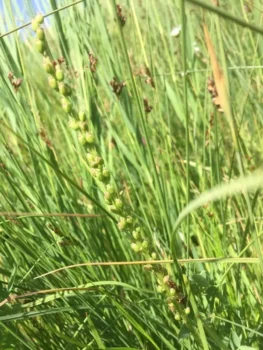
Marsh Arrowgrass: A Hardy Native for Your Wetland Garden
If you’re looking to create a authentic wetland garden or restore a soggy corner of your property, marsh arrowgrass (Triglochin palustris) might just be the unsung hero you need. This slender, grass-like perennial doesn’t win any beauty contests, but it’s a true champion when it comes to thriving in wet, challenging conditions where other plants fear to tread.
What is Marsh Arrowgrass?
Don’t let the name fool you – marsh arrowgrass isn’t actually a true grass! This perennial belongs to the arrow-grass family and sports narrow, linear leaves that emerge from the ground in neat little clusters. The plant sends up tall, slender flower spikes topped with tiny, greenish blooms that aren’t exactly showstoppers but serve their purpose in the ecosystem.
Also known by the scientific name Triglochin palustris, this hardy native has been quietly doing its job across North American wetlands for millennia. While it may not have the flashy appeal of a cardinal flower or the dramatic presence of cattails, marsh arrowgrass brings its own subtle charm to naturalistic plantings.
Where Does Marsh Arrowgrass Call Home?
This plant is about as North American as they come! Marsh arrowgrass is native across an impressively wide range, from Alaska and all Canadian provinces down through most of the northern and western United States. You’ll find it naturally occurring from coast to coast, thriving in states as diverse as California, Minnesota, Maine, and everywhere in between.
- Species observed
- No observations
Why Consider Marsh Arrowgrass for Your Garden?
Here’s where this humble plant really shines:
- Ultimate wetland warrior: Classified as an Obligate Wetland plant across all regions, it absolutely loves soggy conditions
- Extremely hardy: Thrives in USDA zones 2-8, handling everything from harsh northern winters to variable growing seasons
- Low maintenance: Once established, it pretty much takes care of itself
- Authentic native choice: Perfect for restoration projects and supporting local ecosystems
- Soil tolerance: Handles alkaline conditions that challenge many other plants
The Perfect Spot for Marsh Arrowgrass
This isn’t a plant for your typical flower border! Marsh arrowgrass has very specific habitat needs:
- Wetland gardens: Bog gardens, pond margins, and constructed wetlands
- Rain gardens: Areas that collect and slowly absorb stormwater
- Restoration projects: Rebuilding natural wetland habitats
- Water features: Naturalistic edges of ponds or streams
If you’re dreaming of a cottage garden or xerophyte display, this definitely isn’t your plant. But if you’ve got a perpetually soggy spot that makes you groan every spring, marsh arrowgrass might make you smile instead.
Growing Conditions That Make Marsh Arrowgrass Happy
Success with marsh arrowgrass is all about embracing the wet:
- Moisture: Consistently wet to saturated soils – this plant lives for soggy conditions
- Sun exposure: Full sun to partial shade, though it performs best with good light
- Soil type: Tolerates various soil types as long as they stay consistently moist
- pH tolerance: Adapts well to alkaline conditions
Planting and Care Tips
The good news? Once you get marsh arrowgrass established, it’s remarkably self-sufficient:
- Planting time: Spring is ideal for getting new plants established
- Soil prep: Ensure the planting area stays consistently wet – no drainage improvements needed here!
- Spacing: Allow room for natural spreading through underground rhizomes
- Maintenance: Minimal care required once established – nature does most of the work
- Winter prep: Extremely cold hardy, no special winter protection needed
What About Wildlife Benefits?
While marsh arrowgrass is wind-pollinated (so it won’t attract butterflies and bees like showier flowers), it still contributes to wetland ecosystems. The plant provides habitat structure in wetland environments and its seeds may provide food for waterfowl and other wetland wildlife.
Is Marsh Arrowgrass Right for Your Garden?
Marsh arrowgrass is definitely a specialist plant with a specific job description. Consider it if you:
- Have consistently wet or boggy areas in your landscape
- Are working on wetland restoration or creation
- Want authentic native plants for naturalistic designs
- Need something extremely hardy and low-maintenance for wet spots
- Appreciate subtle, natural beauty over flashy flowers
Skip it if you’re looking for:
- Showy flowers or dramatic foliage
- Plants for typical garden beds with normal drainage
- Major pollinator attractors
- Quick visual impact in landscape designs
The Bottom Line
Marsh arrowgrass may not win any garden glamour awards, but it’s exactly the kind of reliable, authentic native plant that makes naturalistic wetland gardens successful. If you’ve got the right soggy conditions and appreciate plants that quietly do their ecological job without fuss, this hardy perennial could be a perfect fit. Sometimes the best garden plants are the ones that simply belong – and marsh arrowgrass definitely belongs in North American wetlands.