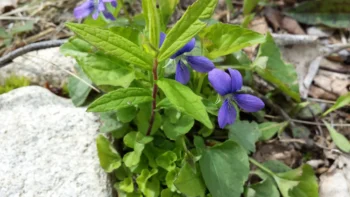
Marsh Blue Violet: A Native Groundcover Perfect for Wet Spots
If you’ve been scratching your head over what to plant in those persistently soggy areas of your garden, meet your new best friend: the marsh blue violet (Viola cucullata). This charming native perennial might just be the solution to your wet gardening woes, and it comes with a bonus – it’s absolutely delightful to look at!
What Exactly is Marsh Blue Violet?
Marsh blue violet, scientifically known as Viola cucullata, is a native North American perennial that belongs to the violet family. Don’t let its delicate appearance fool you – this little powerhouse is perfectly adapted to life in wet conditions. As a forb (essentially a non-woody flowering plant), it forms low-growing clumps that spread naturally over time.
You might also encounter this plant listed under its botanical synonyms, including Viola cucullata var. microtitis or the older name Viola obliqua, but they’re all referring to the same wonderful plant.
Where Does It Call Home?
This violet has an impressive native range that spans much of eastern North America. You’ll find it naturally growing from Canada (including New Brunswick, Nova Scotia, Ontario, Prince Edward Island, Quebec, Newfoundland, and Labrador) down through the eastern United States. Its range includes states from Maine to Georgia and stretches west to Minnesota, Iowa, and Arkansas. It’s even native to the tiny French territory of St. Pierre and Miquelon!
- Species observed
- No observations
Why Your Garden (and Local Wildlife) Will Love It
Marsh blue violet isn’t just a pretty face – it’s an ecological powerhouse. The plant produces lovely purple-blue flowers in spring that attract native bees and butterflies. Perhaps most importantly, it serves as a host plant for fritillary butterfly caterpillars, making it a crucial component of native pollinator habitat.
From a design perspective, this violet offers several appealing qualities:
- Heart-shaped leaves that create attractive groundcover
- Delicate purple-blue flowers in spring
- Low, spreading growth habit perfect for naturalizing
- Excellent for filling in wet, difficult spots
The Perfect Spots for Planting
Here’s where marsh blue violet really shines – it absolutely loves wet feet! This makes it perfect for:
- Rain gardens and bioswales
- Bog gardens and pond edges
- Woodland gardens with moist soil
- Naturalized areas that stay consistently damp
- Problem spots where other plants struggle with too much moisture
The plant’s wetland status varies slightly by region, but it’s consistently associated with wet conditions. In most areas, it’s classified as an obligate wetland plant, meaning it almost always occurs in wetlands naturally.
Growing Marsh Blue Violet Successfully
The beauty of marsh blue violet lies in its adaptability and low-maintenance nature. Here’s what you need to know:
Hardiness: This tough little plant thrives in USDA zones 3-8, so it can handle both cold winters and reasonably warm summers.
Light Requirements: While it can tolerate full sun in consistently moist conditions, it’s happiest in partial shade, especially in warmer climates.
Soil Needs: The key word here is moist. Marsh blue violet wants consistently damp to wet soil and isn’t picky about soil type, though it naturally occurs in organic-rich, somewhat acidic conditions.
Planting Tips: Spring is the ideal time to plant, though fall planting can work too. Space plants about 6-12 inches apart if you want quicker coverage, or plant farther apart and let them naturally spread over time.
Care and Maintenance
Once established, marsh blue violet is refreshingly low-maintenance. It spreads via underground rhizomes and will also self-seed, gradually naturalizing an area. Don’t be alarmed if the plants seem to disappear during hot summer months – they may go dormant but will return with cooler, moister conditions.
The main maintenance you might need to do is managing its spread if it gets too enthusiastic for your space, though most gardeners find this to be a delightful problem to have!
Should You Plant It?
If you have wet, shady spots in your garden that need some love, marsh blue violet is an excellent choice. It’s native across a huge range, supports local wildlife, requires minimal care once established, and solves the common problem of what to grow in consistently moist areas.
The only gardeners who might want to think twice are those with completely dry gardens or those looking for year-round foliage (remember, it may go summer-dormant in hot areas).
For everyone else dealing with soggy soil or wanting to support native pollinators, marsh blue violet deserves a spot in your garden. Your local fritillary butterflies will thank you!