Marsh Fimbry: A Rare Native Sedge for Wetland Gardens
If you’re passionate about native wetland gardening and conservation, you might want to get acquainted with marsh fimbry (Fimbristylis castanea). This unassuming little sedge may not win any beauty contests, but it plays an important role in natural wetland ecosystems and can be a valuable addition to the right garden setting.
What is Marsh Fimbry?
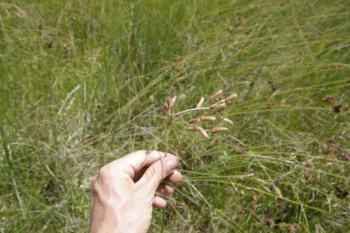
Marsh fimbry is a perennial sedge native to the lower 48 United States. Like other members of the sedge family (Cyperaceae), it has a grass-like appearance with narrow leaves and small, inconspicuous brown seed heads. Don’t let its modest looks fool you – this little plant is a wetland specialist that’s perfectly adapted to life in consistently moist environments.
You might occasionally see this plant listed under its scientific synonym, Scirpus castaneus, in older botanical references.
Where Does Marsh Fimbry Grow?
This native sedge has a primarily southeastern and eastern distribution, naturally occurring in Alabama, Delaware, Florida, Georgia, Louisiana, Maryland, Mississippi, New Jersey, New York, North Carolina, Pennsylvania, South Carolina, Texas, and Virginia. It’s most commonly found in coastal plain regions where wetland habitats are abundant.
- Species observed
- No observations
A Word of Caution: Rarity Status
Before you rush out to find marsh fimbry for your garden, there’s something important you should know. In New Jersey, this species has a rarity status of S2 and is listed as Highlands Listed, meaning it’s considered imperiled in that state. If you’re interested in growing marsh fimbry, please ensure you source your plants responsibly from reputable native plant nurseries rather than collecting from wild populations.
Is Marsh Fimbry Right for Your Garden?
Marsh fimbry isn’t for everyone, but it could be perfect if you have the right conditions and conservation goals. Here’s what you need to know:
Ideal Growing Conditions
- Moisture: This is an obligate wetland plant, meaning it almost always occurs in wetlands. It needs consistently moist to wet soil and can tolerate seasonal flooding
- Light: Prefers full sun to partial shade
- Hardiness: Suitable for USDA zones 7-10, based on its natural range
- Soil: Thrives in wetland soils that remain saturated or flooded for extended periods
Best Garden Applications
Marsh fimbry works well in:
- Wetland restoration projects
- Rain gardens and bioswales
- Pond and stream edges
- Bog gardens
- Naturalized wetland areas
Wildlife and Ecological Benefits
While marsh fimbry may seem unremarkable, it provides valuable habitat structure for small insects and other wetland creatures. As a wind-pollinated plant, it doesn’t attract showy pollinators, but it contributes to the overall biodiversity and ecological function of wetland communities.
Growing and Care Tips
If you decide to grow marsh fimbry, success depends entirely on providing adequate moisture. This isn’t a plant that will forgive dry spells – it needs wetland conditions to thrive. Plant it in areas where water naturally collects or where you can maintain consistent moisture through irrigation.
Once established in appropriate conditions, marsh fimbry should be relatively low-maintenance. As a perennial, it will return year after year, slowly spreading to form small colonies in suitable habitat.
The Bottom Line
Marsh fimbry isn’t a plant for typical garden beds or landscapes. But if you’re working on wetland restoration, creating habitat for native wildlife, or developing a specialized bog or rain garden, this rare native sedge could be a meaningful addition. Just remember to source your plants responsibly and ensure you can provide the consistently wet conditions this wetland specialist requires.
For most gardeners interested in native plants, there may be more widely available native sedges and grasses that can provide similar ecological benefits without the rarity concerns. Consider consulting with local native plant societies or extension services to explore the full range of native wetland plants suitable for your specific region and garden conditions.