Marsh Flatsedge: A Rare Native Sedge for Wetland Gardens
If you’ve been searching for an authentic native plant to complete your wetland garden or rain garden project, let me introduce you to marsh flatsedge (Cyperus pseudovegetus). This unassuming but ecologically important sedge might not win any beauty contests, but it’s a true workhorse for gardeners looking to create authentic native wetland habitats.
What Is Marsh Flatsedge?
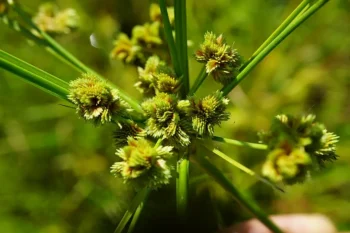
Marsh flatsedge is a perennial sedge that belongs to the grass-like family of plants. Don’t let the grass-like description fool you though – sedges have their own distinct charm and ecological niche. This particular species grows in neat bunches, reaching about 2.5 feet tall with fine-textured green foliage that sways gently in the breeze.
The plant produces small, inconspicuous green flowers in late spring, followed by black seeds that persist through summer and fall. While it won’t stop traffic with showy blooms, its modest appearance perfectly captures the understated beauty of natural wetland environments.
A True American Native
This sedge is a proud native of the lower 48 states, with a natural range spanning from the Atlantic coast to the Great Plains. You can find it growing naturally in Alabama, Arkansas, Delaware, District of Columbia, Florida, Georgia, Illinois, Indiana, Kansas, Kentucky, Louisiana, Maryland, Massachusetts, Mississippi, Missouri, New Jersey, New York, North Carolina, Oklahoma, South Carolina, Tennessee, Texas, and Virginia.
- Species observed
- No observations
A Conservation Concern
Important note for gardeners: Marsh flatsedge is listed as endangered in New Jersey, where it has a rarity status of S1 (critically imperiled). If you’re interested in growing this species, please source your plants responsibly from reputable native plant nurseries that propagate from ethically collected seed – never harvest from wild populations.
Perfect for Wetland Gardens
Here’s where marsh flatsedge really shines: it’s a wetland specialist. This plant has a Facultative Wetland status across all regions where it grows, meaning it usually occurs in wetlands but can occasionally tolerate drier conditions. It’s practically tailor-made for:
- Rain gardens and bioswales
- Pond and stream margins
- Wetland restoration projects
- Bog gardens
- Areas with seasonal flooding
The plant’s bunch-forming growth habit and moderate growth rate make it excellent for erosion control in wet areas, while its fine texture adds visual interest without overwhelming other plantings.
Growing Conditions
Marsh flatsedge is refreshingly straightforward about its needs – just think wet and sunny. Here’s what this water-loving sedge requires:
- Moisture: High water needs – this plant thrives in consistently moist to wet soils
- Sunlight: Full sun (intolerant of shade)
- Soil: Adaptable to coarse, medium, or fine-textured soils
- pH: Prefers acidic conditions (4.6-6.8)
- Climate: Needs at least 175 frost-free days and 30-55 inches of annual precipitation
- Hardiness: Cold hardy to about 7°F, suitable for USDA zones 5-9
Planting and Care Tips
The good news? Once established, marsh flatsedge is relatively low-maintenance. Here’s how to give it the best start:
- Planting: Best propagated by bare root divisions or sprigs rather than seeds
- Spacing: Plant 1,700-4,800 plants per acre depending on desired density
- Establishment: Ensure consistent moisture during the first growing season
- Maintenance: Minimal care needed once established – just maintain adequate moisture
- Growth: Active growth occurs spring through fall, with slow regrowth after cutting
Wildlife and Ecological Benefits
While marsh flatsedge might not be a pollinator magnet (it’s wind-pollinated), it plays important ecological roles. The seeds provide food for waterfowl and other birds, while the dense root system helps filter water and prevent erosion. Its presence indicates a healthy wetland ecosystem.
Is Marsh Flatsedge Right for Your Garden?
Consider marsh flatsedge if you:
- Have a consistently wet area that needs native plantings
- Are creating or restoring wetland habitat
- Want authentic regional flora for naturalized areas
- Need erosion control for wet slopes or pond edges
- Are committed to using responsibly sourced native plants
Skip this plant if you:
- Have only dry or average garden conditions
- Want showy ornamental features
- Prefer low-water gardens
- Can’t provide full sun conditions
Marsh flatsedge may not be the showiest plant in the native garden world, but for the right location and gardener, it’s an invaluable piece of authentic wetland habitat. Just remember to source it responsibly and give it the wet, sunny conditions it craves!