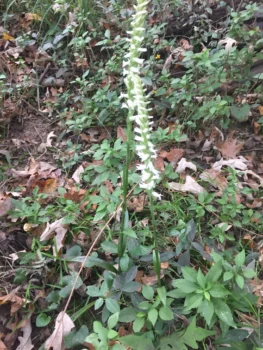
Marsh Lady’s Tresses: A Fragrant Native Orchid for Wet Gardens
If you’re looking to add a touch of delicate elegance to your wetland garden, marsh lady’s tresses (Spiranthes odorata) might just be the perfect native orchid for you. This charming perennial brings both beauty and fragrance to consistently moist areas where many other flowering plants struggle to thrive.
What is Marsh Lady’s Tresses?
Marsh lady’s tresses is a native North American orchid that belongs to the group of plants known as forbs – essentially herbaceous flowering plants without woody stems. Don’t let the term orchid intimidate you; this isn’t your typical hothouse orchid! This hardy perennial has adapted to life in wetlands and marshy areas across much of the eastern United States.
The plant gets its common name from its distinctive flowering pattern – small white flowers spiral up the stem like delicate braided hair, creating an enchanting tresses effect. These fragrant blooms typically appear in late summer and early fall when many other native plants are winding down for the season.
Where Does It Grow Naturally?
Marsh lady’s tresses is native to 16 states across the eastern and southeastern United States, including Alabama, Arkansas, Florida, Georgia, Kentucky, Louisiana, Maryland, Mississippi, New Jersey, New York, North Carolina, Oklahoma, South Carolina, Tennessee, Texas, and Virginia.
- Species observed
- No observations
A Word About Rarity
Before you rush out to find this plant, there’s something important to know: marsh lady’s tresses is considered rare in some areas. In Arkansas, it has an S1 rarity status (critically imperiled), and in New Jersey, it’s listed as S2 (imperiled) and appears on the Highlands Listed species. If you’re interested in growing this orchid, please make sure to source it responsibly from reputable native plant nurseries rather than collecting from the wild.
Why Grow Marsh Lady’s Tresses?
This native orchid offers several compelling reasons to include it in your landscape:
- Supports pollinators: The fragrant flowers attract bees, butterflies, and other beneficial insects when many other blooms have faded
- Extends bloom season: Flowers appear in late summer and fall, providing late-season interest
- Native plant benefits: As a native species, it supports local ecosystems and requires no fertilizers or pesticides
- Unique beauty: The spiraling white flowers create an elegant, delicate appearance unlike any other garden plant
- Low maintenance: Once established in the right conditions, it requires minimal care
Perfect Garden Settings
Marsh lady’s tresses thrives in specialized garden environments:
- Rain gardens and bioswales
- Bog gardens and wetland areas
- Native plant gardens with wet zones
- Naturalized meadow edges near water features
- Restoration projects in wetland habitats
Growing Conditions and Care
Here’s where marsh lady’s tresses gets particular – this is definitely not a plant for dry, well-drained soils! As an obligate wetland plant, it almost always occurs in wetland conditions across all regions where it grows.
Ideal Growing Conditions:
- Moisture: Consistently moist to wet soil year-round
- Light: Full sun to partial shade
- Soil: Tolerates various soil types as long as they remain wet
- USDA Zones: Hardy in zones 5-9
Planting and Care Tips:
- Choose a location that stays wet throughout the growing season
- Plant in spring after the last frost
- Space plants about 12 inches apart to allow for natural spreading
- Avoid disturbing established plants – they don’t like to be moved
- No fertilizer needed; rich, organic wetland soils provide adequate nutrition
- Allow plants to go dormant naturally in winter
Is This Plant Right for Your Garden?
Marsh lady’s tresses is perfect for gardeners who have consistently wet areas and want to create wildlife-friendly, low-maintenance landscapes. However, it’s not suitable for typical garden beds or areas that dry out during summer.
Choose this plant if you have:
- A rain garden or bioswale
- Natural wetland areas on your property
- Consistently moist soil that doesn’t drain well
- Interest in supporting late-season pollinators
Skip this plant if:
- Your soil drains well and dries out in summer
- You don’t have access to responsibly sourced plants
- You prefer plants that bloom earlier in the season
The Bottom Line
Marsh lady’s tresses is a special native orchid that can add unique beauty and ecological value to wet garden areas. While it requires specific growing conditions and should be sourced responsibly due to its rarity in some regions, it rewards patient gardeners with fragrant, spiraling blooms that support late-season pollinators. If you have the right wet conditions and can source the plant ethically, this charming native orchid makes a wonderful addition to naturalized wetland gardens.