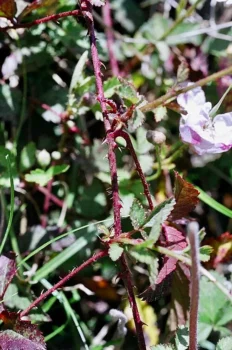
Marvel Dewberry: A Hidden Gem for Southern Native Gardens
If you’re looking for a unique native groundcover that’s as rare as it is charming, meet the marvel dewberry (Rubus mirus). This little-known member of the blackberry family is one of the Southeast’s best-kept gardening secrets – though finding it might be half the adventure!
What Makes Marvel Dewberry Special
Marvel dewberry is a delightful low-growing perennial shrub that stays refreshingly compact, typically reaching just 1.5 feet tall and never exceeding 3 feet at maturity. Unlike its more aggressive blackberry cousins, this well-behaved native creates an attractive groundcover without taking over your entire garden.
In spring, the plant produces small white flowers that give way to edible blackberry-like fruits – a double bonus for both you and local wildlife. The compound leaves add texture and visual interest throughout the growing season, making this more than just a pretty face.
Where Marvel Dewberry Calls Home
This southeastern native has a surprisingly limited range, naturally occurring only in Florida and Mississippi. It’s a true regional specialty that brings authentic local character to gardens within its native territory.
- Species observed
- No observations
Important Conservation Note
Here’s where things get interesting (and important): marvel dewberry has a Global Conservation Status of S3?, indicating it may be rare or uncommon. If you’re lucky enough to find this plant for sale, make absolutely sure you’re purchasing from reputable native plant nurseries that source their material responsibly. Never collect from wild populations – let’s keep this botanical treasure thriving in its natural habitat.
Why Your Garden Will Love Marvel Dewberry
This charming native offers several compelling reasons to include it in your landscape:
- Perfect groundcover for native plant gardens and naturalized areas
- Attracts pollinators with its spring blooms
- Provides food for wildlife (and maybe you!) with its berries
- Low-maintenance once established
- Stays compact and manageable
- Supports local ecosystems as a true native species
Growing Marvel Dewberry Successfully
While specific growing requirements for this rare species aren’t widely documented, we can make educated guesses based on its blackberry family heritage and native habitat. Marvel dewberry likely thrives in USDA hardiness zones 8-10, making it suitable for most of Florida and southern Mississippi gardens.
Like most native plants, it probably prefers well-drained soils and can handle both partial shade and full sun conditions. Once established, it should require minimal care – a hallmark of well-adapted native species.
Planting and Care Tips
If you’re fortunate enough to acquire marvel dewberry plants:
- Choose a location with good drainage
- Plant in spring or fall for best establishment
- Water regularly during the first growing season
- Mulch around plants to conserve moisture and suppress weeds
- Allow space for natural spreading as a groundcover
- Minimal pruning should be needed due to its compact nature
The Bottom Line
Marvel dewberry represents everything wonderful about native gardening – it’s beautiful, functional, wildlife-friendly, and perfectly adapted to its home region. While its rarity means it won’t be found at every garden center, that just makes it all the more special for dedicated native plant enthusiasts.
If you garden within its native range of Florida or Mississippi and can source it responsibly, marvel dewberry makes an excellent addition to native plant collections, wildlife gardens, and naturalized landscapes. Just remember: with great rarity comes great responsibility to protect and preserve this botanical treasure for future generations.