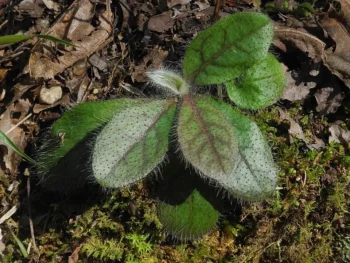
Maryland Hawkweed: A Native Wildflower Worth Knowing
If you’re looking to add authentic native character to your garden, Maryland hawkweed (Hieracium marianum) might just be the understated wildflower you’ve been searching for. This perennial forb brings a touch of wild elegance to naturalized spaces, though it comes with some important considerations for responsible gardeners.
What is Maryland Hawkweed?
Maryland hawkweed is a native North American perennial that belongs to the diverse hawkweed family. As a forb, it’s an herbaceous plant without woody stems, storing its energy in underground parts to return year after year. You might also encounter it listed under the synonym Hieracium pennsylvanicum in older gardening references.
Where Does It Naturally Grow?
This native beauty has quite an impressive natural range across eastern North America. You’ll find Maryland hawkweed growing wild from Canada down through much of the eastern United States, including Alabama, Arkansas, Connecticut, Delaware, Florida, Georgia, Kentucky, Louisiana, Maine, Maryland, Massachusetts, Michigan, Mississippi, New Hampshire, New Jersey, New York, North Carolina, Pennsylvania, South Carolina, Tennessee, Vermont, Virginia, and West Virginia, plus Ontario, Canada.
- Species observed
- No observations
Should You Plant Maryland Hawkweed?
Here’s where things get interesting – and where responsible gardening comes into play. Maryland hawkweed has a special rarity status in New Jersey, where it’s listed as Highlands Listed, SU. This means it’s considered uncommon enough to warrant conservation attention in certain areas.
If you’re drawn to this native wildflower, you absolutely can include it in your garden, but please be mindful about sourcing. Only purchase Maryland hawkweed from reputable native plant nurseries that propagate their own stock rather than wild-collecting. This ensures you’re supporting conservation rather than potentially harming wild populations.
Garden Design and Landscape Role
Maryland hawkweed shines in naturalized garden settings where its wild character can be fully appreciated. It’s perfect for:
- Native plant gardens focusing on regional flora
- Naturalized meadow areas
- Wildlife-friendly landscaping
- Low-maintenance wildflower gardens
As a forb, it pairs beautifully with native grasses and other wildflowers, creating the kind of layered, natural-looking plantings that both wildlife and garden visitors adore.
Growing Conditions and Care
While specific growing requirements for Maryland hawkweed aren’t extensively documented, most hawkweed species are remarkably adaptable. Based on its wide natural distribution, it likely thrives in USDA hardiness zones 3 through 8, making it suitable for most temperate gardens.
Like many native wildflowers, Maryland hawkweed probably prefers well-draining soil and can tolerate a range of light conditions. Once established, native hawkweeds typically require minimal care – just the occasional removal of spent flowers if you want to prevent excessive self-seeding.
Wildlife and Pollinator Benefits
Though specific wildlife benefits aren’t well-documented for this particular species, hawkweeds generally produce small, daisy-like yellow flowers that attract various pollinators. Native bees, butterflies, and other beneficial insects often visit these blooms, making Maryland hawkweed a valuable addition to pollinator-supporting gardens.
The Bottom Line
Maryland hawkweed offers native gardeners a chance to grow something truly regional and special. Its perennial nature means it’ll return year after year, gradually establishing itself as a permanent part of your native landscape. Just remember to source it responsibly, and you’ll be supporting both your local ecosystem and conservation efforts.
While it may not be the showiest flower in your garden, Maryland hawkweed brings that authentic wild beauty that makes native gardening so rewarding. Sometimes the most meaningful plants are the ones that whisper rather than shout.