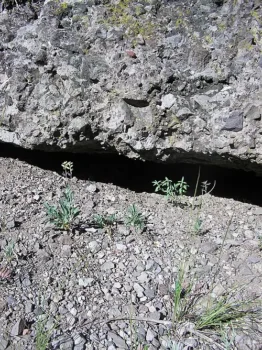
Masonic Mountain Jewelflower: A Rare Gem for Specialized Native Gardens
Meet the Masonic Mountain jewelflower (Streptanthus oliganthus), a delicate perennial that’s as rare as it is beautiful. This little-known native wildflower might not be on every gardener’s radar, but for those passionate about conservation gardening and supporting local ecosystems, it’s a true treasure worth understanding.
What Makes This Plant Special?
The Masonic Mountain jewelflower is a herbaceous perennial forb, meaning it’s a non-woody plant that returns year after year. Part of the mustard family, this slender beauty produces clusters of small, purple to lavender flowers that may seem modest at first glance but possess an understated elegance that native plant enthusiasts absolutely adore.
Where Does It Call Home?
This rare wildflower is native to very specific mountainous regions in California and Nevada. Its limited geographic distribution is part of what makes it so special – and so vulnerable. You won’t find this plant growing wild across vast areas; instead, it’s adapted to particular microclimates and soil conditions in these western mountain ranges.
- Species observed
- No observations
Important Conservation Considerations
Here’s where things get serious: the Masonic Mountain jewelflower has a Global Conservation Status of S2S3, indicating it’s quite rare and potentially vulnerable. This means that while we absolutely encourage supporting native plants, responsible sourcing is crucial. Never collect seeds or plants from wild populations, and only purchase from reputable native plant nurseries that can verify their stock comes from ethically propagated sources.
Should You Grow It in Your Garden?
The honest answer? This isn’t a plant for beginners or typical suburban gardens. The Masonic Mountain jewelflower is best suited for:
- Dedicated native plant gardens
- Rock gardens with excellent drainage
- Xerophytic (dry-climate) landscapes
- Conservation-focused botanical collections
If you’re passionate about preserving rare native species and have experience growing challenging wildflowers, this could be a meaningful addition to your collection.
Growing Conditions and Care
Like many mountain natives, the Masonic Mountain jewelflower has specific needs:
- Sunlight: Full sun to partial shade
- Soil: Well-draining soils are absolutely essential – think rocky, sandy, or gravelly conditions
- Water: Drought-tolerant once established; avoid overwatering
- Climate: Best suited for USDA hardiness zones 7-9
The key to success is mimicking its natural mountain habitat. Poor, well-draining soil is actually preferred over rich garden soil, which can cause root rot or excessive foliage growth at the expense of flowers.
Benefits to Wildlife and Pollinators
Despite its small stature, the Masonic Mountain jewelflower punches above its weight when it comes to supporting local wildlife. Its flowers provide nectar for native bees, small butterflies, and other beneficial insects. By growing this rare native, you’re not just adding beauty to your garden – you’re participating in conservation efforts and supporting the intricate web of native pollinators that depend on indigenous plants.
Planting and Maintenance Tips
- Start with seeds or small plants from reputable native plant sources
- Plant in fall for best establishment
- Ensure drainage is excellent – consider raised beds or slopes
- Water sparingly during the first growing season, then rely on natural precipitation
- Avoid fertilizers, which can harm this adapted-to-poor-soils species
- Allow plants to self-seed to maintain populations
The Bottom Line
The Masonic Mountain jewelflower isn’t for everyone, and that’s okay. This rare native requires dedication, proper growing conditions, and responsible sourcing. However, for gardeners committed to conservation and supporting native ecosystems, growing this special plant can be deeply rewarding. You’ll be participating in preserving a piece of California and Nevada’s natural heritage while providing crucial habitat for native pollinators.
Remember: always source responsibly, never collect from the wild, and consider this plant only if you can provide the specialized growing conditions it needs to thrive.