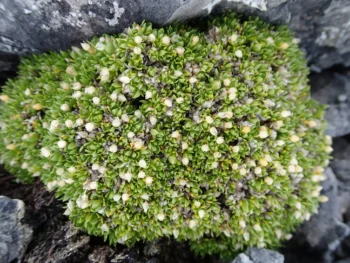
Matted Starwort: A Rare Arctic Gem for Specialized Gardens
If you’re looking for the ultimate challenge in native plant gardening, meet matted starwort (Stellaria dicranoides) – a tiny but tough perennial that calls the far north home. This little-known member of the pink family might just be the most specialized plant you’ll ever consider adding to your garden.
What Makes Matted Starwort Special
Matted starwort is a rare native forb that forms low, spreading mats across the landscape. As a perennial herb without woody stems, it stays close to the ground and produces the characteristic small, white, star-shaped flowers that give starworts their charming common name. Don’t let its delicate appearance fool you – this plant is built to survive some of the harshest conditions on the continent.
Where You’ll Find It in the Wild
This arctic specialist is native to Alaska and Canada, with its range extending into Yukon Territory. It’s perfectly adapted to life in the far north, where short growing seasons and extreme cold would challenge most garden plants.
- Species observed
- No observations
A Word of Caution: This Plant is Rare
Before you get too excited about growing matted starwort, there’s something important you need to know. This species has a Global Conservation Status of S3, meaning it’s considered vulnerable. With typically only 21 to 100 known occurrences and between 3,000 to 10,000 individuals worldwide, this isn’t your average garden center find.
If you’re determined to grow this rare beauty, please only source it from reputable native plant nurseries that propagate their stock responsibly. Never collect plants from wild populations.
Growing Conditions and Hardiness
Matted starwort is extremely cold-hardy, likely thriving in USDA zones 1-4. This makes it suitable only for gardeners in the coldest regions of North America. The plant requires:
- Cool temperatures year-round
- Well-draining soil
- Adequate moisture during the growing season
- Protection from extreme heat
Garden Design Applications
Given its specialized requirements and rarity, matted starwort is best suited for:
- Alpine and rock gardens in very cold climates
- Specialized native plant collections
- Conservation gardens focused on rare species
- Ground cover in naturalized arctic-themed landscapes
Planting and Care Tips
Successfully growing matted starwort requires mimicking its natural arctic habitat:
- Plant in spring after the last frost
- Ensure excellent drainage to prevent root rot
- Provide consistent moisture during the growing season
- Avoid fertilizing – these plants are adapted to nutrient-poor soils
- Mulch lightly to help retain moisture
- Protect from hot afternoon sun in warmer areas
Wildlife and Pollinator Benefits
While specific data on matted starwort’s wildlife benefits is limited, small white flowers like those of this species typically attract small pollinators such as flies, small bees, and other beneficial insects. In its native habitat, it likely plays a role in the arctic ecosystem’s delicate web of relationships.
Should You Grow Matted Starwort?
Matted starwort is definitely not for every gardener. Its rarity means it should only be grown by serious native plant enthusiasts who can provide the specialized care it needs. If you live outside zones 1-4, this plant simply won’t thrive in your climate.
However, if you’re in an extremely cold climate and passionate about rare native plants, matted starwort could be a fascinating addition to a specialized collection. Just remember to source it responsibly and consider it a conservation effort as much as a gardening project.
For most gardeners, other native Stellaria species or cold-hardy native groundcovers might be more practical choices that can provide similar aesthetic benefits without the conservation concerns.