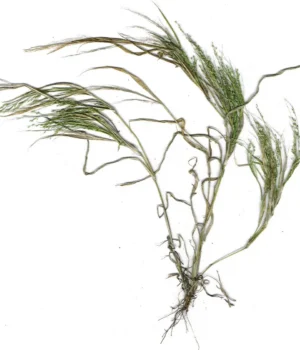
Maui Panicgrass: A Rare Hawaiian Native Worth Preserving in Your Garden
If you’re passionate about native Hawaiian plants and want to make a real difference in conservation, let me introduce you to a special grass that deserves more attention: Maui panicgrass (Panicum pellitum). This delicate native grass might not be the showiest plant in your garden, but it carries the unique heritage of the Hawaiian Islands and plays an important role in the archipelago’s natural ecosystems.
What Makes Maui Panicgrass Special?
Maui panicgrass is a true Hawaiian endemic, meaning it evolved here and exists nowhere else on Earth. Botanically known as Panicum pellitum, this charming grass has also been called by other scientific names throughout history, including Panicum colliei and Panicum pellitoides, but they all refer to the same remarkable plant.
What sets this grass apart is its rarity. With a conservation status of S2S3, Maui panicgrass is considered uncommon to rare, making every plant in cultivation a valuable contribution to preserving Hawaii’s botanical heritage. It’s like having a living piece of natural history in your garden!
Where Does It Come From?
As you might guess from its common name, Maui panicgrass calls Hawaii home. This native grass is found exclusively in the Hawaiian Islands, where it has adapted perfectly to the unique climate and growing conditions of the Pacific tropics.
- Species observed
- No observations
Why Should You Consider Growing Maui Panicgrass?
Here’s why this unassuming grass deserves a spot in your native Hawaiian garden:
- Conservation impact: By growing this rare native, you’re helping preserve Hawaii’s botanical diversity
- Cultural significance: It’s part of the original Hawaiian landscape that existed before human settlement
- Wildlife support: Native grasses provide seeds for birds and create habitat for native insects
- Authenticity: Perfect for restoration projects and truly native Hawaiian landscapes
- Low maintenance: Once established, it’s adapted to local conditions and requires minimal care
What Does It Look Like?
Maui panicgrass is a bunch-forming grass that creates delicate, open seed heads when it flowers. It’s not flashy, but it has a quiet, natural beauty that complements other native Hawaiian plants beautifully. The grass can be either annual or perennial depending on growing conditions, giving it flexibility in different garden situations.
Growing Conditions and Care
This native Hawaiian grass thrives in USDA hardiness zones 10-12, making it perfect for Hawaii’s tropical and subtropical climate. Here’s what Maui panicgrass prefers:
- Sunlight: Full sun to partial shade
- Soil: Well-draining soils (it doesn’t like to sit in water)
- Water: Moderate water needs; drought tolerant once established
- Maintenance: Low maintenance – just occasional watering during dry spells
Perfect Garden Situations
Maui panicgrass shines in these garden types:
- Native Hawaiian plant gardens
- Restoration and naturalization projects
- Erosion control on slopes
- Mixed native grass meadows
- Cultural and educational landscapes
Important Note About Sourcing
Here’s the crucial part: because Maui panicgrass is rare, it’s essential to source your plants responsibly. Never collect from wild populations! Instead, work with reputable native plant nurseries or botanical gardens that propagate plants from ethically sourced seeds or divisions. This ensures you’re helping conservation efforts rather than harming wild populations.
The Bottom Line
Maui panicgrass might not be the most dramatic plant you can grow, but it offers something precious: the chance to preserve a piece of Hawaii’s natural heritage. If you’re creating a native Hawaiian garden or participating in restoration work, this rare grass deserves serious consideration. Just remember to source it responsibly and appreciate the special role you’re playing in conservation.
By choosing to grow Maui panicgrass, you’re not just adding a plant to your garden – you’re becoming a steward of Hawaii’s irreplaceable botanical legacy. And that’s something truly worth growing!