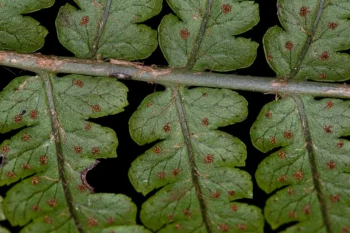
Maui Woodfern: A Rare Hawaiian Native Worth Protecting
Meet the Maui woodfern (Dryopteris mauiensis), one of Hawaii’s most elusive native ferns that deserves a spot in our conservation conversations. This perennial beauty isn’t your typical garden center find—and there’s good reason for that. Let’s dive into what makes this Hawaiian endemic so special and whether it belongs in your native garden.
What Exactly Is the Maui Woodfern?
The Maui woodfern is a native Hawaiian fern species that calls only the Hawaiian islands home. Despite being classified botanically as a forb (a vascular plant without woody tissue above ground), this is definitely a true fern through and through. Like other members of the Dryopteris family, it’s a perennial that persists year after year, making it a potentially valuable long-term addition to the right garden setting.
You might occasionally see this plant referenced by its botanical synonym Dryopteris sandwicensis, but Dryopteris mauiensis is the accepted current name for this Hawaiian treasure.
Where Does It Call Home?
This fern is exclusively found in Hawaii, making it a true island endemic. Its distribution is quite limited even within the Hawaiian chain, which adds to its conservation significance.
- Species observed
- No observations
The Rarity Factor: Why This Matters
Here’s where things get serious. The Maui woodfern has a Global Conservation Status of S2S3, indicating it’s quite rare and potentially vulnerable. This isn’t a plant you’ll casually stumble upon at your local nursery, nor should you expect to find it readily available for purchase.
If you’re passionate about growing this species, it’s absolutely crucial that you only source it from reputable native plant suppliers who can guarantee the material was responsibly propagated—never collected from wild populations.
Is It Right for Your Garden?
The Maui woodfern occupies an interesting niche in Hawaii’s ecosystems. According to wetland classifications, it’s considered Facultative Upland, meaning it typically grows in non-wetland areas but can occasionally tolerate wetter conditions. This suggests it might be adaptable to various moisture levels in a garden setting.
However, given its rarity status, this isn’t a plant for casual gardeners. It’s better suited for:
- Serious native plant enthusiasts with experience growing Hawaiian endemics
- Conservation gardens focused on preserving rare species
- Educational landscapes that highlight Hawaii’s unique flora
- Restoration projects working to support native ecosystems
Growing Conditions and Care
Unfortunately, detailed cultivation information for Maui woodfern is quite limited, which isn’t surprising given its rarity. Based on what we know about related Hawaiian native ferns and its facultative upland status, it likely prefers:
- Filtered light or partial shade conditions
- Well-draining but consistently moist soil
- Protection from strong winds
- Tropical or subtropical climates (likely USDA zones 10-12)
Wildlife and Ecosystem Benefits
While ferns don’t provide nectar for pollinators like flowering plants do, they play important roles in native ecosystems. Native ferns can provide habitat structure for small creatures and contribute to the overall biodiversity that makes Hawaiian forests so special.
The Bottom Line
The Maui woodfern represents something precious in the plant world—a rare native species that connects us to Hawaii’s unique evolutionary story. While it’s not a plant for everyone’s garden, it deserves our respect and protection.
If you’re drawn to growing rare Hawaiian natives, make sure you’re working with ethical suppliers and contributing to conservation efforts rather than putting additional pressure on wild populations. Sometimes the most meaningful way to appreciate a rare plant is to support the organizations working to protect it in its natural habitat.
For most gardeners interested in Hawaiian native ferns, consider exploring more readily available native species that can provide similar aesthetic and ecological benefits without the conservation concerns. Your local native plant society can point you toward wonderful alternatives that are both beautiful and responsibly growable.