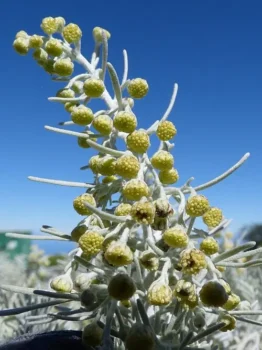
Maui Wormwood: A Rare Hawaiian Treasure Worth Protecting
If you’re passionate about native Hawaiian plants and conservation, you’ve probably heard whispers about Maui wormwood (Artemisia mauiensis). This isn’t your typical garden center find – it’s one of Hawaii’s most precious and imperiled native plants, making it both fascinating and challenging for gardeners who want to grow authentic island flora.
What Makes Maui Wormwood Special?
Maui wormwood is a perennial shrub that’s found nowhere else in the world except Hawaii. This multi-stemmed woody plant typically grows less than 13-16 feet tall, with several stems arising from near the ground. Like other members of the Artemisia family, it likely boasts the characteristic silver-gray, aromatic foliage that makes wormwoods so distinctive and appealing in drought-tolerant landscapes.
What sets this plant apart isn’t just its Hawaiian heritage – it’s its rarity. Maui wormwood has a Global Conservation Status of S2, meaning it’s imperiled due to extreme rarity. With only 6 to 20 known occurrences and an estimated 1,000 to 3,000 individuals remaining in the wild, this plant is fighting for survival.
Where Does Maui Wormwood Grow?
As its name suggests, this endemic species is native exclusively to Hawaii, with its natural habitat likely concentrated on the island of Maui. This geographic restriction makes it incredibly special but also vulnerable to environmental changes and habitat loss.
- Species observed
- No observations
Should You Plant Maui Wormwood?
Here’s where things get tricky. While supporting native Hawaiian plants is admirable, Maui wormwood’s imperiled status means you need to be extremely careful about sourcing. If you’re considering adding this rare beauty to your garden, here are the key points to consider:
- Conservation responsibility: Only obtain plants from reputable native plant nurseries that practice ethical propagation
- Avoid wild collection: Never harvest from wild populations – this could push the species closer to extinction
- Location matters: This plant is best suited for Hawaiian gardens and may not survive in other climates
- Support conservation: Consider donating to Hawaiian native plant conservation efforts instead of or in addition to growing the plant
Growing Conditions and Care
While specific cultivation information for Maui wormwood is limited due to its rarity, we can make educated guesses based on other Artemisia species and its Hawaiian habitat:
- Climate: Best suited for Hawaiian growing conditions
- Soil: Likely prefers well-draining soil, as most Artemisia species do
- Sunlight: Probably thrives in full sun locations
- Water: As a drought-tolerant native, it likely needs minimal supplemental watering once established
- Maintenance: Minimal care requirements, typical of hardy native shrubs
Garden Design Ideas
If you’re lucky enough to obtain responsibly sourced Maui wormwood, it would be perfect for:
- Native Hawaiian plant gardens
- Rock gardens and xeriscaping projects
- Educational or conservation-focused landscapes
- Areas where you want to showcase rare native plants
The Bottom Line
Maui wormwood represents both an incredible opportunity and a serious responsibility. This rare Hawaiian endemic deserves our protection and respect. If you’re interested in growing it, make sure you’re contributing to conservation efforts rather than potentially harming wild populations.
For most gardeners, supporting Maui wormwood might be better achieved through donations to Hawaiian plant conservation organizations or by growing other native Hawaiian plants that are more readily available and less threatened. Sometimes the best way to love a plant is to admire it from afar while working to ensure its survival for future generations.
Remember: with great botanical rarity comes great gardening responsibility. Let’s make sure this unique piece of Hawaiian natural heritage has a fighting chance to thrive for years to come.