McConnell’s Poppy: A Rare Arctic Treasure Worth Protecting
If you’ve stumbled across McConnell’s poppy (Papaver mcconnellii) in your search for native plants, you’ve discovered one of North America’s most elusive and specialized wildflowers. This tiny arctic gem is as rare as it is beautiful, making it a plant that’s better admired than cultivated in most home gardens.
What Makes McConnell’s Poppy Special
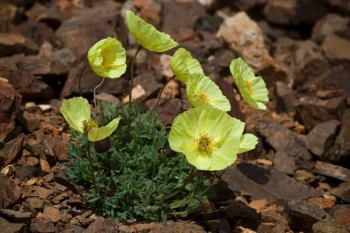
McConnell’s poppy is a delicate perennial forb that belongs to the exclusive club of true arctic plants. Also known by its synonym Papaver denalii, this little beauty produces cheerful yellow flowers with typically 2-4 papery petals that seem to glow against the harsh arctic landscape. The plant forms low-growing rosettes, staying close to the ground as an adaptation to fierce arctic winds.
Where to Find This Arctic Rarity
This remarkable poppy calls the far north home, with native populations scattered across Alaska, Yukon, and the Northwest Territories. It’s perfectly adapted to life in some of the continent’s most challenging environments, thriving in conditions that would defeat most garden plants.
- Species observed
- No observations
The Rarity Reality Check
Here’s where things get serious: McConnell’s poppy has a Global Conservation Status of S1Q, indicating it’s extremely rare and potentially at risk. This isn’t a plant you’ll find at your local nursery, nor should you expect to. Its scarcity makes it a conservation priority rather than a garden candidate.
Why You Probably Shouldn’t Grow It (And What to Grow Instead)
While the appeal of growing such a unique native plant is understandable, there are compelling reasons to admire McConnell’s poppy from afar:
- Rarity concerns: With such limited populations, removing plants or seeds from the wild could harm fragile ecosystems
- Extreme growing requirements: This plant needs arctic conditions – think USDA hardiness zones 1-3, which eliminates most North American gardens
- Cultivation challenges: Even with perfect conditions, arctic plants rarely adapt to cultivation
Better Native Poppy Alternatives
If you’re drawn to native poppies, consider these more garden-friendly options that won’t stress wild populations:
- California poppy (Eschscholzia californica) for western gardens
- Wood poppy (Stylophorum diphyllum) for eastern woodland gardens
- Prickly poppy (Argemone species) for dry, southwestern landscapes
How to Support McConnell’s Poppy Conservation
The best way to help this rare beauty is through conservation support rather than cultivation:
- Support arctic research and conservation organizations
- Choose readily available native plants for your garden
- Spread awareness about rare plant conservation
- If you’re lucky enough to encounter it in the wild, observe and photograph but don’t disturb
The Bigger Picture
McConnell’s poppy represents something precious in our natural world – a specialized species perfectly adapted to one of Earth’s most challenging environments. While we can’t all grow arctic rarities in our backyards, we can appreciate their role in biodiversity and choose garden plants that support conservation rather than threaten it.
Sometimes the best way to love a plant is to let it be wild and free in its native home, while we fill our gardens with native species that are both abundant and appropriate for our local conditions. That’s true plant stewardship in action.