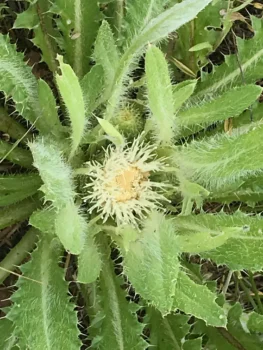
Meadow Thistle: A Native Wildflower Worth Growing
If you’re looking to add some wild beauty to your native plant garden, meadow thistle (Cirsium scariosum) might just be the spiky surprise you didn’t know you needed. Don’t let the word thistle scare you away – this native North American wildflower brings more charm than chaos to the right landscape.
What Makes Meadow Thistle Special?
Meadow thistle is a true North American native, calling both Canada and the lower 48 states home. You’ll find this hardy wildflower naturally growing across an impressive range, from Alberta and British Columbia down through the western United States, including Arizona, California, Colorado, Idaho, Montana, Nevada, New Mexico, Oregon, Utah, Washington, and Wyoming. It even pops up in Quebec!
- Species observed
- No observations
As a biennial to perennial forb, meadow thistle offers the best of both worlds – some plants complete their lifecycle in two years, while others stick around as reliable perennials. This herbaceous plant lacks woody stems, instead producing fresh growth from buds at or below ground level each growing season.
Garden Appeal and Landscape Role
Meadow thistle brings a wild, naturalistic beauty to gardens with its distinctive purple to pink flower heads that bloom from late spring through summer. The deeply lobed, spiny leaves create interesting texture and form, making it a standout addition to:
- Native plant gardens
- Prairie and meadow restorations
- Xeriscape and drought-tolerant landscapes
- Wildlife and pollinator gardens
- Naturalized areas where a wild look is desired
Pollinator Powerhouse
Here’s where meadow thistle really shines – those spiky flower heads are absolute magnets for pollinators. Butterflies, native bees, and other beneficial insects flock to the nectar-rich blooms, making this plant a valuable addition to any wildlife-friendly garden. If you’re working to support local ecosystems, meadow thistle delivers both beauty and function.
Growing Conditions and Care
One of meadow thistle’s best qualities is its easy-going nature. This tough native thrives in:
- Full sun locations
- Well-draining soils (it’s quite adaptable to different soil types)
- USDA hardiness zones 3-8
- Both dry and moderately moist conditions once established
Thanks to its facultative wetland status, meadow thistle can handle both wetland and non-wetland conditions, making it quite versatile for different garden situations.
Planting and Establishment Tips
Getting meadow thistle started in your garden is refreshingly straightforward:
- Direct seed in fall or early spring for best results
- Choose a sunny spot with good drainage
- Once established, this drought-tolerant native needs minimal care
- Allow plants to self-seed if you want them to naturalize in the area
Important Considerations
Before adding meadow thistle to your garden, there are a few things to keep in mind. This species has a somewhat unclear conservation status, so if you decide to grow it, make sure to source seeds or plants from reputable native plant suppliers who collect responsibly. Never collect from wild populations.
Also, remember that this is a thistle – while not aggressive like some non-native species, it does have spiny leaves and can self-seed. Plant it where its wild nature will be appreciated and where it has room to do its thing without overwhelming more delicate neighbors.
The Bottom Line
Meadow thistle offers native plant enthusiasts a chance to support local wildlife while adding unique texture and reliable blooms to their landscapes. Its adaptability, low maintenance requirements, and pollinator appeal make it a solid choice for the right garden setting. Just remember to source responsibly and give it the space to show off its wild side!