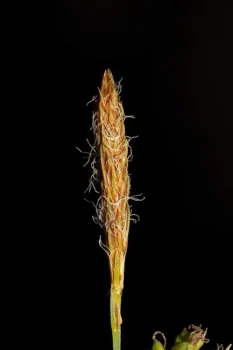
Mead’s Sedge: A Native Grass-Like Beauty for Wet Spots
If you’ve got a soggy spot in your yard that makes you scratch your head wondering what to plant, let me introduce you to Mead’s sedge (Carex meadii). This unassuming native sedge might not win any flashy flower contests, but it’s exactly the kind of reliable, eco-friendly plant that can transform those challenging wet areas into thriving habitat.
Meet Mead’s Sedge
Mead’s sedge is a perennial grass-like plant that belongs to the sedge family. Don’t let the grass-like description fool you into thinking it’s just another boring lawn substitute – sedges are actually quite different from true grasses and offer unique benefits to native gardens. This particular species was named after botanist Samuel Mead, and you might occasionally see it listed under its synonym Carex tetanica var. meadii in older references.
Where You’ll Find It Growing Wild
This sedge is a true North American native, calling both Canada and the lower 48 states home. You can find Mead’s sedge growing naturally across a huge swath of the continent, from Manitoba and Saskatchewan down to Texas and Georgia, and from the Atlantic coast to the Great Plains. It’s established in states including Alabama, Arizona, Arkansas, Delaware, Georgia, Illinois, Indiana, Iowa, Kansas, Kentucky, Louisiana, Maryland, Michigan, Minnesota, Mississippi, Missouri, Nebraska, New Jersey, New York, North Carolina, North Dakota, Ohio, Oklahoma, Pennsylvania, Rhode Island, South Dakota, Tennessee, Texas, Virginia, West Virginia, and Wisconsin.
- Species observed
- No observations
A Word About Rarity
Before you rush out to dig up wild sedges (please don’t!), know that Mead’s sedge has some conservation concerns in certain areas. In New Jersey, it’s listed as endangered and receives special protection status in the Pinelands and Highlands regions. If you live in New Jersey or other areas where it might be rare, make sure to source your plants from reputable nurseries that propagate their stock rather than wild-collect it.
Why Your Garden (and Local Wildlife) Will Love It
Mead’s sedge forms attractive dense tufts of narrow, arching blue-green leaves that add subtle texture and movement to the landscape. While it won’t stop traffic with showy blooms – its flowers are small and brownish, appearing in spring – it more than makes up for it with its ecological value and reliability.
This sedge is particularly valuable because it provides structure and habitat for wildlife throughout the year. The dense clumps offer shelter for small creatures, and the seeds feed birds and other wildlife. Plus, as a native plant, it supports local ecosystems in ways that non-native alternatives simply can’t match.
Perfect Spots for Planting
Mead’s sedge is incredibly versatile when it comes to moisture levels, which makes it a problem-solver for tricky spots. Here’s where it really shines:
- Rain gardens and bioswales
- Pond and stream margins
- Low-lying areas that stay damp
- Prairie and meadow restorations
- Natural landscape designs
- Erosion control on slopes near water
The wetland status varies by region – in some areas like the Arid West and Western Mountains, it’s considered an obligate wetland plant (meaning it almost always needs wet conditions), while in other regions like the Eastern Mountains, Great Plains, and Midwest, it’s more flexible and can handle both wet and moderately dry conditions.
Growing Conditions That Make It Happy
Mead’s sedge is happiest in moist to wet soils and can handle anything from full sun to partial shade. It’s quite tolerant of seasonal flooding, making it perfect for those areas that turn into temporary ponds during heavy rains. This tough little plant thrives in USDA hardiness zones 3-8, so it can handle both cold winters and hot summers like a champ.
Planting and Care Made Simple
The beauty of native sedges like Mead’s sedge is that they’re refreshingly low-maintenance once established. Here’s how to set them up for success:
- Plant in spring when the soil is workable
- Space plants about 12-18 inches apart for eventual fill-in
- Keep consistently moist, especially during the first growing season
- Mulch lightly to retain moisture and suppress weeds
- Divide clumps every 3-4 years if they become too large or you want more plants
- Cut back old foliage in late winter or early spring before new growth emerges
Once established, Mead’s sedge pretty much takes care of itself. No fertilizing needed – it’s perfectly adapted to the nutrient levels in your local soils.
The Bottom Line
Mead’s sedge might not be the showiest plant in the garden center, but it’s exactly the kind of steady, reliable native that creates the backbone of a healthy ecosystem. If you’ve got wet or seasonally moist spots that need some love, or if you’re working on a rain garden or naturalized area, this sedge deserves serious consideration. Just remember to source it responsibly, especially if you’re in an area where it’s becoming rare. Your local wildlife – and your low-maintenance gardening schedule – will thank you for it.