Mendocino Bushmallow: A California Native Worth Growing
If you’re looking for a stunning native shrub that can handle California’s dry summers while attracting pollinators to your garden, let me introduce you to the Mendocino bushmallow. This resilient perennial shrub (Malacothamnus fasciculatus) is a true California original that deserves a spot in more water-wise landscapes.
What Makes Mendocino Bushmallow Special
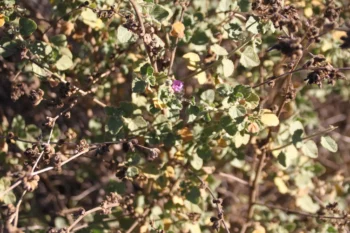
The Mendocino bushmallow is a multi-stemmed woody shrub that typically grows 4-5 feet tall, though it can reach up to 13-16 feet under ideal conditions. What really catches the eye are its beautiful pink to lavender flowers that bloom from summer through fall, resembling miniature hibiscus blossoms. The silvery-green foliage provides an attractive backdrop year-round, creating a lovely contrast in the garden even when not in bloom.
Where It Calls Home
This shrub is native to California, where it naturally thrives in chaparral and coastal sage scrub communities. You’ll find it growing wild along the coast and in the foothills, perfectly adapted to the Mediterranean climate.
- Species observed
- No observations
Why Your Garden (and Local Wildlife) Will Love It
Here’s where the Mendocino bushmallow really shines as a garden plant:
- Pollinator magnet: Bees, butterflies, and hummingbirds flock to its nectar-rich flowers
- Drought champion: Once established, it needs minimal supplemental water
- Long bloom period: Flowers from summer through fall when many other plants are taking a break
- Low maintenance: Requires little care beyond occasional pruning
- Erosion control: Great for slopes and areas prone to erosion
Perfect Garden Situations
The Mendocino bushmallow is ideal for several garden styles:
- Water-wise and xeriscape gardens
- Native plant landscapes
- Mediterranean-style gardens
- Coastal gardens
- Wildlife and pollinator gardens
- Naturalized areas and slopes
Growing Conditions and Care
This adaptable shrub is surprisingly easy to grow if you give it what it wants:
Climate: Hardy in USDA zones 9-11, perfect for most of California’s coastal and inland areas.
Sun and Soil: Plant in full sun with well-draining soil. It’s not picky about soil type but absolutely must have good drainage to prevent root rot.
Water: Here’s the beauty of this plant – once established (usually after the first year), it’s quite drought tolerant. During establishment, provide regular water, then gradually reduce to occasional deep watering during extended dry periods.
Planting: Fall is the best time to plant, giving the shrub time to establish its root system before the dry season arrives.
Important Conservation Note
Before you rush out to buy one, there’s something important to know: Mendocino bushmallow has varying conservation statuses across its range, and it’s actually listed as endangered on Santa Cruz Island. While the overall species appears secure in most areas, always purchase plants from reputable native plant nurseries that use responsibly sourced material. Never collect from the wild, and if you’re lucky enough to have this plant establish itself naturally in your garden, consider yourself blessed!
A Few Care Tips
- Prune lightly after flowering to maintain shape
- Avoid overwatering, especially in heavy soils
- Mulch around the base to retain moisture and suppress weeds
- Be patient – it may take a season or two to really establish and show off its full potential
The Mendocino bushmallow proves that native doesn’t mean boring. With its lovely flowers, minimal water needs, and wildlife benefits, it’s a perfect choice for gardeners who want beauty without the environmental cost. Just remember to source it responsibly, and you’ll have a stunning piece of California’s natural heritage thriving in your own backyard.