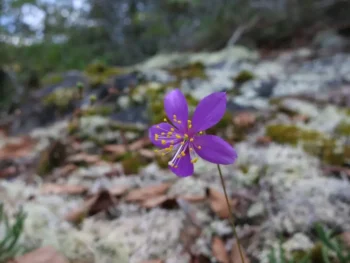
Menges’ Fameflower: A Rare Southeastern Treasure for the Dedicated Native Plant Gardener
If you’re the type of gardener who gets excited about growing something truly special—something your neighbors have definitely never heard of—then Menges’ fameflower might just be your next obsession. This little-known native perennial is one of those plants that makes you feel like you’re part of an exclusive club, and frankly, you kind of are.
What Exactly Is Menges’ Fameflower?
Menges’ fameflower (Phemeranthus mengesii) is a native perennial herb that belongs to the Southeast’s impressive roster of indigenous plants. You might also see it listed under its former botanical name, Talinum mengesii, if you’re digging through older plant references. This petite powerhouse is what botanists call a forb—basically a non-woody perennial that dies back to ground level each winter but returns faithfully each spring.
Where Does It Call Home?
This southeastern specialty has made itself at home across six states: Alabama, Georgia, North Carolina, South Carolina, Tennessee, and Virginia. It’s perfectly adapted to the unique growing conditions found in this region, thriving in the rocky, well-drained soils that challenge many other plants.
- Species observed
- No observations
The Conservation Reality Check
Here’s where things get serious for a moment. Menges’ fameflower carries a Global Conservation Status of S3, which translates to Vulnerable. This means it’s genuinely rare in the wild, with typically only 21 to 100 known occurrences and somewhere between 3,000 to 10,000 individual plants total. That’s not very many when you think about it!
What this means for you as a gardener: If you decide to grow this plant, please—and we cannot stress this enough—only source it from reputable native plant nurseries that propagate their own stock. Never, ever collect from the wild. This plant needs our help to stick around for future generations to appreciate.
Why Grow Menges’ Fameflower?
So why would you want to add this rare beauty to your garden? Here are some compelling reasons:
- You’ll be contributing to conservation efforts by maintaining genetic diversity in cultivation
- It’s a true conversation starter—most plant enthusiasts have never encountered one
- Once established, it’s remarkably low-maintenance and drought-tolerant
- The delicate pink to white flowers provide subtle beauty that doesn’t shout for attention
- It’s perfect for specialized rock gardens and native plant collections
Growing Conditions and Care
Menges’ fameflower isn’t particularly fussy, but it does have some specific preferences. Think of it as the plant equivalent of that friend who’s easy-going but has very particular tastes:
- Soil: Well-drained, rocky soils are essential—this plant absolutely hates wet feet
- Sunlight: Likely prefers full to partial sun based on its native habitat
- Water: Drought-tolerant once established; water sparingly
- USDA Hardiness Zones: Estimated to be hardy in zones 6-9
Perfect Garden Companions
This plant shines in specialized settings rather than traditional perennial borders. Consider it for:
- Rock gardens where its low-growing habit and drought tolerance excel
- Native plant collections focused on southeastern species
- Xerophytic (dry-loving) garden designs
- Educational gardens highlighting rare native plants
The Bottom Line
Menges’ fameflower isn’t for every gardener or every garden. It’s a plant for those who appreciate the rare, the subtle, and the conservation-minded. If you’re someone who gets a thrill from growing something truly special while contributing to plant conservation, and you can provide the well-drained conditions it needs, this could be a wonderful addition to your collection.
Just remember: with great rarity comes great responsibility. Source ethically, grow with care, and maybe even consider sharing seeds or divisions with other dedicated native plant enthusiasts to help ensure this little treasure has a secure future.
After all, there’s something pretty magical about nurturing a plant that most people will never have the chance to see in person. It’s gardening with purpose, and that’s a beautiful thing.