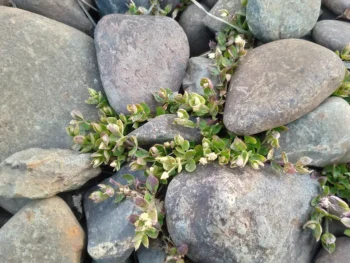
Merckia: A Hardy Arctic Native for Specialized Gardens
If you’re looking for a truly unique native plant that can handle the harshest conditions North America has to offer, let me introduce you to merckia (Wilhelmsia physodes). This little-known perennial forb might just be the conversation starter your specialized garden needs – though it’s definitely not for every gardener or every climate!
What is Merckia?
Merckia is a perennial forb, which simply means it’s an herbaceous plant that comes back year after year without developing woody stems like shrubs or trees. You might also see this plant referred to by its synonyms Arenaria physodes or Merckia physodes in older botanical references, but Wilhelmsia physodes is the current accepted name.
As a forb, merckia produces its growing buds at or below ground level, helping it survive in some pretty tough conditions. This survival strategy makes perfect sense when you learn where this hardy little plant calls home.
Where Does Merckia Grow Naturally?
Merckia is a true North American native with an impressively cold-hardy range. You’ll find this species growing naturally in Alaska, Yukon, and the Northwest Territories of Canada. This is definitely a plant that has evolved to handle serious winter conditions!
- Species observed
- No observations
Should You Plant Merckia in Your Garden?
Here’s where things get interesting – and a bit challenging. Merckia is classified as a facultative wetland plant in Alaska, meaning it can grow in both wet and drier conditions. However, there are several factors to consider before adding this plant to your garden:
The Good News:
- It’s a native species, so you’re supporting local ecosystems
- Extremely cold hardy – perfect for northern gardeners
- Flexible about moisture conditions
- Unique conversation piece for specialized native plant gardens
The Challenges:
- Very limited availability in the nursery trade
- Specific climate requirements (likely USDA zones 1-3)
- Little information available about cultivation practices
- May not thrive in warmer climates
Who Should Consider Growing Merckia?
This plant is best suited for dedicated native plant enthusiasts in very cold climates who are interested in preserving and showcasing rare native species. If you’re gardening in Alaska, northern Canada, or similar extreme northern climates, and you have access to responsibly sourced plants or seeds, merckia could be a fascinating addition to a specialized native plant collection.
However, if you’re in more temperate zones or looking for easy-care garden plants, you might want to explore other native options that are better suited to cultivation and more readily available.
Growing Conditions and Care
Given merckia’s natural habitat, this plant likely prefers:
- Cold climates with long, harsh winters
- Well-draining to occasionally moist soils
- Full sun to partial shade conditions
- Minimal summer heat
Unfortunately, detailed cultivation information for merckia is quite limited, which reflects how rarely this species is grown in gardens. If you’re determined to try growing it, your best bet would be to mimic its natural growing conditions as closely as possible.
The Bottom Line
Merckia is a fascinating native plant that showcases the incredible adaptability of North American flora to extreme conditions. While it’s not a plant for every garden or every gardener, it represents an important part of our northern ecosystems and could be a rewarding challenge for specialized native plant enthusiasts in appropriate climates.
If you’re in a warmer climate or looking for more readily available native plants, consider exploring other native forbs and wildflowers that are better suited to cultivation and more widely available through native plant nurseries in your region.