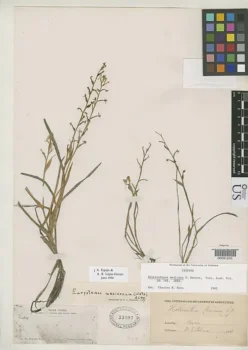
Mexican Mudplantain: A Rare Native Gem for Wetland Gardens
If you’re looking to add a touch of authentic Texas nature to your wetland garden, Mexican mudplantain might just be the hidden treasure you’ve been searching for. This delicate native aquatic plant brings both ecological value and subtle beauty to water features, though it comes with some important considerations every responsible gardener should know.
What is Mexican Mudplantain?
Mexican mudplantain (Heteranthera mexicana) is a charming little forb that belongs to the world of aquatic plants. As a native species to the lower 48 states, it’s specifically found in Texas wetlands. Don’t let the mudplantain name fool you – this isn’t your typical garden plantain. Instead, it’s a specialized water-loving herb that produces small, attractive blue to violet flowers and distinctive heart-shaped to kidney-shaped leaves.
This plant can behave as either an annual or perennial, adapting to the conditions of its wetland home. Like other forbs, it lacks woody tissue and keeps its growing points at or below ground level, making it perfectly suited for its aquatic lifestyle.
Where Does It Naturally Grow?
Mexican mudplantain has a very limited natural range, currently documented only in Texas. This narrow geographic distribution is part of what makes this plant so special – and so rare. It’s classified as an obligate wetland species, meaning you’ll almost always find it in wetland environments in both the Atlantic and Gulf Coastal Plain regions and the Great Plains.
- Species observed
- No observations
A Word of Caution: Rarity Matters
Here’s something every gardener needs to know: Mexican mudplantain has a Global Conservation Status of S2S3, which indicates it’s considered imperiled to vulnerable. This means the plant faces real conservation challenges in the wild. If you’re interested in growing this native beauty, please only source it from reputable native plant nurseries that propagate their stock responsibly – never collect from wild populations.
Why Consider Mexican Mudplantain for Your Garden?
Despite its rarity status, there are compelling reasons to consider this plant if you have the right conditions:
- True native credentials supporting local ecosystems
- Delicate, attractive flowers that add subtle color to water features
- Specialized plant that showcases Texas’s unique wetland flora
- Potential pollinator benefits for small native bees and flies
- Educational value for demonstrating rare plant conservation
Perfect Garden Settings
Mexican mudplantain isn’t for every garden – it has very specific needs that make it perfect for certain situations:
- Wetland gardens and bog gardens
- Pond margins and water garden edges
- Rain gardens with consistently moist conditions
- Naturalistic water features
- Native plant conservation gardens
Growing Conditions and Care
Success with Mexican mudplantain depends entirely on meeting its water requirements. This plant is classified as an obligate wetland species, so here’s what it needs:
Water Requirements: Constantly moist to saturated soils, or shallow standing water
Light: Full sun to partial shade
Hardiness: Likely USDA zones 8-10, based on its Texas distribution
Soil: Wet, muddy conditions – think pond margins or bog garden substrates
Planting and Maintenance Tips
Growing Mexican mudplantain successfully requires thinking like a wetland:
- Plant in areas that stay consistently wet year-round
- Consider container water gardening if you don’t have natural wet areas
- Allow for natural seasonal fluctuations in water levels
- Minimal fertilization needed – wetland plants are adapted to nutrient-poor conditions
- Monitor for establishment, as rare plants may need extra attention initially
The Bottom Line
Mexican mudplantain offers a unique opportunity to grow a genuine piece of Texas wetland heritage. While its rarity status means you’ll need to source it carefully and thoughtfully, it can be a meaningful addition to appropriate water gardens. Just remember – this isn’t a plant for casual gardeners or typical landscape situations. It’s for dedicated wetland gardeners who can provide the specialized conditions it needs and who appreciate the privilege of growing something truly rare and special.
If you can’t provide ideal wetland conditions or find responsibly sourced plants, consider other native Texas wetland species that might be more readily available and less conservation-sensitive. The important thing is supporting native plant communities in whatever way works best for your garden and local ecosystem.