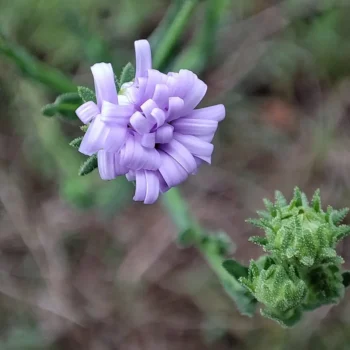
Mexican Tansyaster: A Rare Gem for the Desert Garden
If you’re passionate about native plants and have a soft spot for botanical rarities, you might have stumbled across the Mexican tansyaster (Psilactis gentryi). This little-known annual wildflower is a true southwestern treasure, though one that requires a thoughtful approach if you’re considering adding it to your garden.
What Makes Mexican Tansyaster Special?
Mexican tansyaster is a native annual forb—essentially a soft-stemmed flowering plant that completes its life cycle in one growing season. As a member of the sunflower family (Asteraceae), it likely produces small, daisy-like blooms that add delicate charm to desert landscapes. You might also see it referenced by its former scientific name, Machaeranthera mexicana.
Where Does It Call Home?
This native beauty has a very limited range, currently known only from Arizona within the United States. Its restricted distribution makes it a truly regional specialty plant that embodies the unique character of southwestern desert ecosystems.
- Species observed
- No observations
A Word of Caution: Rarity Matters
Here’s where things get serious. Mexican tansyaster carries a Global Conservation Status of S3, meaning it’s considered vulnerable. With typically only 21 to 100 known occurrences and between 3,000 to 10,000 individuals in the wild, this isn’t your average garden center find.
If you’re interested in growing Mexican tansyaster, please only obtain seeds or plants from reputable, ethical sources that practice responsible collection. Never collect from wild populations, as this could harm already vulnerable communities of this rare plant.
Garden Potential and Design Role
While information about Mexican tansyaster’s exact appearance and growing requirements is limited due to its rarity, we can make educated assumptions based on its family relationships and native habitat:
- Likely produces small, attractive flowers typical of desert asters
- Perfect for authentic southwestern native plant gardens
- Ideal for xeriscaping and water-wise landscapes
- Could serve as a conversation starter about plant conservation
- Potential food source for native pollinators adapted to desert environments
Growing Conditions (Best Estimates)
Based on its Arizona origins and annual nature, Mexican tansyaster likely prefers:
- Soil: Well-draining, possibly sandy or rocky desert soils
- Water: Minimal supplemental irrigation once established
- Sun: Full sun exposure
- Climate: Arid to semi-arid conditions
- Hardiness: Likely suitable for USDA zones 8-10
Planting and Care Tips
Given the limited cultivation information available, approach growing Mexican tansyaster with patience and observation:
- Start from seed when possible, as this respects wild populations
- Plant seeds in fall or early spring to align with natural desert growing seasons
- Provide excellent drainage—desert plants hate soggy feet
- Water sparingly and allow soil to dry between waterings
- Observe closely and take notes about your plant’s preferences for future reference
The Bottom Line
Mexican tansyaster represents both an opportunity and a responsibility. While it could be a wonderful addition to specialized native plant collections, its vulnerable status means we must approach it with respect and care. If you do choose to grow this rare beauty, you’re not just adding a plant to your garden—you’re participating in conservation and helping preserve a piece of Arizona’s natural heritage.
Consider Mexican tansyaster if you have experience with native desert plants, access to ethically sourced material, and a commitment to responsible gardening practices. For those new to native gardening, you might want to start with more common southwestern natives before tackling this rare gem.