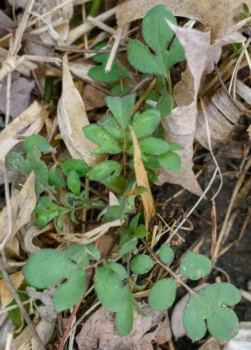
Miami Mist: A Delicate Native Wildflower Worth Growing
If you’re looking for a charming native wildflower that won’t take over your garden but will certainly steal your heart, meet Miami mist (Phacelia purshii). This delicate annual forb might not be the showiest plant in your native garden, but it brings a gentle beauty and important ecological value that makes it worth seeking out.
What is Miami Mist?
Miami mist is a native North American wildflower that belongs to the borage family. Despite its tropical-sounding name, this little beauty is actually native to much of eastern and central North America, thriving in woodlands and forest edges from southeastern Canada down to Georgia and west to Oklahoma.
As an annual forb, Miami mist completes its entire life cycle in one growing season. It’s a soft, herbaceous plant without any woody stems – think of it as the gentle cousin in the wildflower family that prefers to whisper rather than shout.
Where Does Miami Mist Grow Naturally?
This adaptable native can be found across a impressive range of states including Alabama, Arkansas, Connecticut, District of Columbia, Georgia, Illinois, Indiana, Kentucky, Maryland, Michigan, Missouri, New Jersey, North Carolina, Ohio, Oklahoma, Pennsylvania, Rhode Island, South Carolina, Tennessee, Virginia, and West Virginia, plus Ontario in Canada.
- Species observed
- No observations
Why Consider Growing Miami Mist?
There are several compelling reasons to include Miami mist in your native plant palette:
- Pollinator magnet: The small, delicate blue to lavender flowers attract bees, butterflies, and other beneficial pollinators
- Native biodiversity: Supporting local ecosystems by growing native plants
- Low maintenance: Once established, it requires minimal care
- Gentle beauty: Soft, hairy foliage and clusters of dainty flowers add subtle charm
- Woodland compatibility: Perfect for shade and woodland gardens
Important Conservation Note
Before you rush out to find Miami mist, there’s something important to know: this plant has a rare status (S1 – critically imperiled) in Arkansas. If you’re gardening in Arkansas or other areas where it might be uncommon, please only source your plants or seeds from reputable native plant nurseries or seed companies that use responsibly collected material. Never collect from wild populations.
Growing Miami Mist Successfully
The good news is that Miami mist isn’t particularly fussy once you understand its preferences:
Growing Conditions
- Light: Partial shade to full sun (prefers some shade, especially in hotter climates)
- Soil: Moist to moderately dry, tolerates various soil types
- Hardiness: USDA zones 4-8
- Water: Moderate moisture; avoid waterlogged conditions
Planting and Care Tips
- Seeding: Direct seed in fall or early spring for best results
- Spacing: Allow natural spacing as seeds germinate
- Maintenance: Minimal care needed once established
- Self-seeding: May self-seed in favorable conditions, creating natural colonies
Perfect Garden Settings
Miami mist shines in several garden scenarios:
- Woodland gardens: Ideal understory plant for shaded areas
- Native plant gardens: Excellent addition to regional native collections
- Naturalized landscapes: Perfect for low-maintenance naturalized areas
- Pollinator gardens: Valuable early-season nectar source
The Bottom Line
Miami mist might be a quiet player in the native plant world, but it’s definitely worth including in your garden if you can source it responsibly. This gentle annual offers delicate beauty, supports pollinators, and helps maintain the biodiversity that makes our native ecosystems so resilient.
While it may not be the easiest native plant to find at your local garden center, the effort to seek out Miami mist pays off with a charming addition to your native plant collection. Just remember to choose your sources carefully and help protect wild populations by only purchasing from reputable growers.
Sometimes the most rewarding garden plants are the ones that make you work a little harder to find them – and Miami mist is definitely one of those special discoveries.