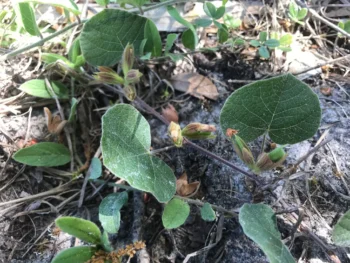
Michaux’s Snoutbean: A Rare Native Gem for Your Garden
Meet Michaux’s snoutbean (Rhynchosia michauxii), a charming little native vine that’s flying under the radar in most gardening circles. This delicate perennial legume might not be the showiest plant in your garden, but it brings a special kind of understated beauty and ecological value that makes it worth seeking out—if you can find it responsibly sourced, that is.
What Makes This Plant Special?
Michaux’s snoutbean is a native twining and climbing perennial that produces cheerful yellow pea-like flowers. The plant gets its whimsical common name from its distinctive seed pods, though you might also see it listed under its synonym Dolicholus michauxii in older references. With its heart-shaped leaflets and delicate growth habit, this vine adds an airy, naturalistic texture wherever it grows.
Where Does It Call Home?
This southeastern native has a relatively limited range, naturally occurring in Florida, Georgia, and North Carolina. As a plant native to the lower 48 states, it’s adapted to the specific climate and growing conditions of the southeastern coastal regions.
- Species observed
- No observations
A Word About Rarity
Here’s something important to know before you start hunting for seeds: Michaux’s snoutbean has a Global Conservation Status of S3?, indicating it may be vulnerable or rare in its native range. This means if you’re interested in growing this plant, you should only source it from reputable native plant nurseries or seed suppliers who can guarantee their material comes from ethical, sustainable sources—never from wild collection.
Why Grow Michaux’s Snoutbean?
Despite its rarity (or perhaps because of it), there are several compelling reasons to include this native vine in your landscape:
- Supports native pollinators with its bright yellow legume flowers
- Adds fine texture and natural movement to garden beds
- Perfect for naturalistic and native plant gardens
- Low maintenance once established
- Helps preserve genetic diversity of native flora
Garden Design Ideas
Michaux’s snoutbean works beautifully in several landscape applications. Use it as a ground cover in native plant gardens, or let it climb through shrubs for added vertical interest. It’s particularly well-suited for woodland edge plantings, restoration projects, and anywhere you want to create a more naturalistic feel. The delicate yellow flowers provide seasonal color without overwhelming other plantings.
Growing Conditions and Care
This southeastern native is surprisingly adaptable once you understand its preferences. Michaux’s snoutbean thrives in USDA hardiness zones 8-10, making it suitable for gardens in its native range and similar climates.
For best results, provide:
- Well-drained, sandy soils (though it adapts to various soil types)
- Partial shade to full sun exposure
- Moderate moisture, though it becomes quite drought tolerant once established
- Some support for its climbing habit, whether from nearby shrubs or a simple trellis
Planting and Maintenance Tips
Once you’ve sourced your responsibly grown Michaux’s snoutbean, planting is straightforward. This low-maintenance perennial doesn’t require much fussing once it’s settled in. The twining growth habit means it will find its own way up supports, and as a legume, it actually helps improve soil nitrogen levels.
Regular watering during establishment is important, but mature plants can handle periods of drought. Light pruning can help maintain shape, though many gardeners prefer to let it grow naturally for the most authentic look.
The Bottom Line
Michaux’s snoutbean might not be the easiest native plant to find, but for gardeners committed to supporting native biodiversity, it’s a worthwhile addition. Just remember to source it responsibly and consider it an investment in preserving our native plant heritage. Your local pollinators will thank you, and you’ll have the satisfaction of growing something truly special and rare.