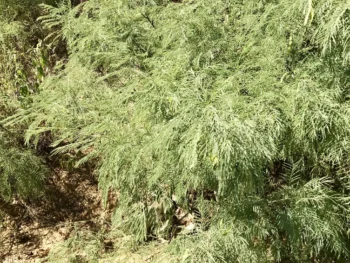
Milfoil Wattle: A Thorny Beauty for Desert Gardens
If you’re looking for a tough-as-nails native shrub that can handle the harshest desert conditions while still putting on a beautiful show, let me introduce you to the milfoil wattle (Mariosousa millefolia). This scrappy little performer might not be the first plant that comes to mind when planning your landscape, but it deserves a closer look – especially if you’re passionate about native plants and water-wise gardening.
What is Milfoil Wattle?
Milfoil wattle is a native perennial shrub that calls the American Southwest home. You might also see it listed under its former scientific name, Acacia millefolia, but botanists have recently moved it to the Mariosousa genus. Don’t let the name changes fool you though – this is the same reliable desert dweller that has been thriving in harsh conditions for centuries.
As a multi-stemmed woody shrub, milfoil wattle typically stays under 13-16 feet tall, making it a manageable size for most home landscapes. Its most distinctive feature is its incredibly fine, feathery foliage that gives the plant an almost delicate appearance – quite the contrast to its tough-as-nails personality!
Where Does Milfoil Wattle Grow Naturally?
This desert native has carved out its niche primarily in Arizona and New Mexico, where it’s perfectly adapted to the challenging conditions of the Southwest. It’s a true child of the Sonoran and Chihuahuan deserts, which tells you everything you need to know about its drought tolerance and heat resistance.
- Species observed
- No observations
Why Consider Milfoil Wattle for Your Garden?
Here’s where this plant really shines. Milfoil wattle offers several compelling reasons to earn a spot in your landscape:
- Native credentials: As a true native of the American Southwest, it supports local ecosystems and requires minimal resources once established
- Drought superstar: Once established, this shrub can survive on rainfall alone in most of its native range
- Pollinator magnet: The small, yellow, globular flower clusters are irresistible to bees and other pollinators
- Natural security system: Those thorny branches make it an excellent barrier plant for property boundaries
- Low maintenance: Perfect for busy gardeners who want beauty without the fuss
What Type of Garden Suits Milfoil Wattle?
This shrub is tailor-made for xeriscaping and desert-themed landscapes. It’s absolutely perfect if you’re creating a native plant garden or working on water-wise landscaping. The fine-textured foliage provides a lovely contrast to bold, architectural plants like agaves or prickly pears, while the thorny nature makes it ideal for creating natural barriers along property lines.
Milfoil wattle works beautifully in informal, naturalistic designs where you want to capture the essence of the desert without looking like you’ve given up on gardening entirely.
Growing Conditions and Care
The beauty of milfoil wattle lies in its simplicity. Here’s what this desert native needs to thrive:
- Sunlight: Full sun is non-negotiable – this plant wants all the sunshine you can give it
- Soil: Well-draining soil is crucial. It can handle poor, rocky, or sandy soils but will sulk in heavy clay or waterlogged conditions
- Water: Drought tolerant once established, but appreciate occasional deep watering during extreme dry spells
- Climate: Hardy in USDA zones 8-10, making it suitable for most of the Southwest and parts of the South
Planting and Care Tips
Getting milfoil wattle established is straightforward, but here are some insider tips for success:
- Plant in fall or early spring when temperatures are moderate
- Water regularly for the first year to help establish a strong root system, then gradually reduce watering
- Prune lightly after flowering to maintain shape and encourage new growth
- Protect young plants from hard freezes in their first winter
- Avoid overwatering – this is the quickest way to kill an otherwise bulletproof plant
A Word About Conservation
Milfoil wattle currently has a somewhat uncertain conservation status, which means we should be thoughtful about how we source and grow it. Always purchase plants from reputable nurseries that propagate their stock rather than collecting from wild populations. By growing native plants responsibly, we can help ensure they remain part of our natural heritage for future generations.
The Bottom Line
Milfoil wattle might not be the showiest plant in the nursery, but it offers something increasingly valuable in our changing climate: reliability. It’s a native plant that asks for very little while giving back to local wildlife and pollinators. If you’re gardening in the Southwest and want to create a landscape that’s both beautiful and environmentally responsible, this thorny little gem deserves serious consideration.
Just remember to give it room to spread, respect those thorns, and prepare to enjoy a plant that truly embodies the spirit of the American desert.