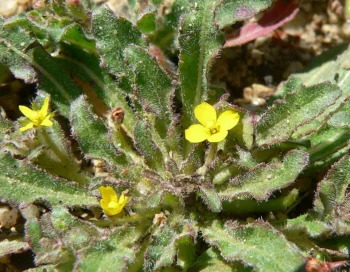
Miniature Suncup: A Tiny Native Treasure for California Gardens
If you’re looking for a charming native annual to add some delicate beauty to your California garden, meet the miniature suncup (Camissonia micrantha). This petite wildflower might be small in stature, but it packs a punch when it comes to supporting local ecosystems and adding subtle elegance to drought-tolerant landscapes.
What Is Miniature Suncup?
Miniature suncup is a native California annual forb that belongs to the evening primrose family. Also known scientifically as Camissonia micrantha (formerly classified as Oenothera micrantha), this herbaceous plant stays true to its common name with tiny, delicate yellow flowers that typically open in the evening hours.
As an annual, miniature suncup completes its entire life cycle in one growing season, making it a ephemeral but delightful addition to natural areas and native plant gardens.
Where Does Miniature Suncup Grow?
This little beauty is exclusively native to California, where it thrives in the state’s diverse desert and semi-arid environments. You’ll find it scattered across various regions throughout the Golden State, from low desert floors to foothills.
- Species observed
- No observations
Why Consider Miniature Suncup for Your Garden?
There are several compelling reasons to include this native gem in your landscape:
- True California native: Support local ecosystems by growing plants that evolved in your region
- Drought tolerance: Perfect for water-wise gardening and xerophytic landscapes
- Pollinator support: The evening-blooming flowers attract moths and other nocturnal pollinators
- Low maintenance: Once established, requires minimal care and intervention
- Natural charm: Adds delicate texture and subtle color to naturalized areas
Important Conservation Note
Before you rush to add miniature suncup to your garden, there’s something important to consider. This species has an uncertain conservation status, which means we don’t have complete information about its population stability. If you choose to grow miniature suncup, please ensure you source seeds or plants from reputable native plant nurseries that practice responsible collection methods.
Growing Miniature Suncup Successfully
Ideal Growing Conditions
Miniature suncup thrives in conditions that mimic its natural desert habitat:
- Sunlight: Full sun exposure for most of the day
- Soil: Well-draining sandy or rocky soils; avoid heavy clay or waterlogged conditions
- Water: Very low water requirements once established; excellent for drought-tolerant gardens
- Climate: Best suited for USDA hardiness zones 8-10
Planting and Care Tips
Growing miniature suncup is refreshingly straightforward:
- Timing: Direct seed in fall for best results, allowing natural winter rains to support germination
- Seeding: Scatter seeds lightly over prepared soil and barely cover
- Watering: Provide minimal supplemental water; overwatering can be detrimental
- Maintenance: Allow plants to complete their natural cycle and self-seed for future seasons
Perfect Garden Companions
Miniature suncup works beautifully in:
- Native California plant gardens
- Desert and xerophytic landscapes
- Naturalized wildflower areas
- Rock gardens and sandy slopes
- Water-wise demonstration gardens
The Bottom Line
Miniature suncup offers California gardeners a wonderful opportunity to support native ecosystems while enjoying the subtle beauty of this delicate wildflower. Its evening-blooming habit adds a touch of mystery to the garden, while its drought tolerance makes it a practical choice for sustainable landscaping.
Just remember to source your plants responsibly and consider miniature suncup as part of a broader native plant palette that celebrates California’s incredible botanical diversity. Sometimes the smallest plants make the biggest difference in creating authentic, sustainable gardens that truly belong in their landscape.