Minnesota Fawnlily: A Rare Woodland Treasure Worth Protecting
If you’re a native plant enthusiast with a passion for rare species, you’ve probably heard whispers about the Minnesota fawnlily. This tiny woodland wildflower might just be one of North America’s most endangered plants, making it both fascinating and heartbreaking for gardeners who care about conservation.
What Makes Minnesota Fawnlily So Special?
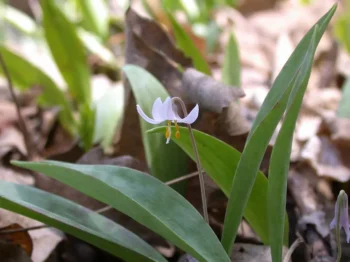
The Minnesota fawnlily (Erythronium propullans) is a small perennial wildflower that belongs to the lily family. As a forb—basically a soft-stemmed flowering plant without woody tissue—it emerges each spring with delicate, drooping white flowers that nod gracefully above mottled leaves. The entire plant typically reaches just 4-6 inches tall, making it a subtle but enchanting presence in the woodland understory.
What truly sets this plant apart isn’t just its beauty, but its incredible rarity. We’re talking about a species so uncommon that it has earned a Global Conservation Status of S1, meaning it’s critically imperiled with typically fewer than 5 occurrences worldwide.
Where Does Minnesota Fawnlily Call Home?
Here’s where things get really remarkable (and concerning): the Minnesota fawnlily is found in only one state—Minnesota—and even there, it exists in just a handful of locations in the southeastern part of the state. This incredibly restricted range makes it one of the rarest plants in North America.
- Species observed
- No observations
In Minnesota, this species is officially listed as Endangered, which means it’s protected by state law. The plant’s native habitat consists of rich, moist woodland areas with deep, well-drained soils.
Should You Grow Minnesota Fawnlily?
Here’s where we need to have a serious conversation. While Minnesota fawnlily is undeniably beautiful and ecologically important, most gardeners should not attempt to grow this species. Here’s why:
- Rarity concerns: With so few plants left in the wild, removing any from their natural habitat could contribute to extinction
- Legal protection: As an endangered species, collecting from wild populations is illegal
- Cultivation challenges: This plant has very specific growing requirements that are extremely difficult to replicate
- Ethical sourcing: Legitimate nursery-grown plants are virtually non-existent
If You’re Determined to Try
For the dedicated conservation gardener who can source plants through legitimate conservation programs or botanical institutions, here’s what Minnesota fawnlily needs:
Growing Conditions:
- USDA Hardiness Zones 4-5
- Rich, moist, well-drained woodland soil
- Partial to full shade
- Cool, humid conditions
- Specific mycorrhizal fungal partnerships in the soil
Planting and Care:
- Plant bulbs in fall, 2-3 inches deep
- Maintain consistent soil moisture without waterlogging
- Provide a thick leaf mulch layer
- Never disturb or divide established plants
- Allow natural dormancy after spring flowering
Better Alternatives for Most Gardens
Instead of risking harm to this endangered species, consider these beautiful and more readily available native alternatives:
- White trout lily (Erythronium albidum): A close relative that’s more widespread and available
- Bloodroot (Sanguinaria canadensis): Another early spring white woodland flower
- Dutchman’s breeches (Dicentra cucullaria): Charming white spring ephemeral
- Wild ginger (Asarum canadense): Excellent woodland groundcover
Supporting Conservation
The best way to help Minnesota fawnlily is to support conservation organizations working to protect its remaining habitat. Consider donating to or volunteering with groups focused on rare plant conservation in Minnesota.
If you’re lucky enough to encounter this species in the wild during a nature walk, take only photos and leave only footprints. Every individual plant matters when there are so few left.
The Bottom Line
Minnesota fawnlily represents both the incredible diversity of our native flora and the fragility of rare ecosystems. While most of us won’t have the opportunity to grow this species, we can all play a role in protecting it by choosing sustainable gardening practices, supporting conservation efforts, and appreciating the remarkable plants that make up our natural heritage.
Sometimes the most beautiful thing we can do for a plant is simply let it be wild.