Minute Duckweed: The Tiny Native Water Plant That Packs a Big Punch
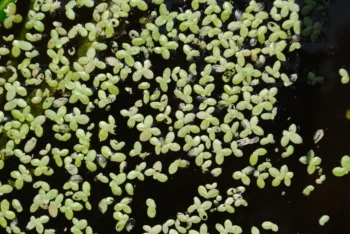
If you’ve ever peered into a quiet pond and noticed what looks like tiny green confetti floating on the surface, you might have been looking at minute duckweed (Lemna perpusilla). Don’t let the name fool you – this diminutive native aquatic plant may be small, but it’s a powerhouse when it comes to natural water management and ecosystem support.
What Exactly Is Minute Duckweed?
Minute duckweed is a perennial aquatic plant that belongs to the fascinating world of floating vegetation. Unlike your typical garden plants, this little guy doesn’t need soil – it’s perfectly content floating on the water’s surface, soaking up nutrients directly from the water around it. Each plant consists of tiny oval-shaped fronds (think of them as floating leaves) that are typically smaller than your pinky nail.
As a forb, minute duckweed lacks the woody stems you’d find in shrubs or trees, instead maintaining its soft, herbaceous structure throughout its life. It’s also known by the scientific synonym Lemna perpusilla Torr. var. trinervis Austin, though you’re unlikely to need that tongue-twister for casual conversation!
Where Does Minute Duckweed Call Home?
This charming little plant is a true North American native, with an impressive range that spans from Canada down through the lower 48 states, and even extends to Puerto Rico and the U.S. Virgin Islands. You can find it naturally occurring in an extensive list of states including Alabama, Arizona, Arkansas, Connecticut, Delaware, and many others across the continent.
- Species observed
- No observations
A Word of Caution: Rarity Matters
Here’s something important to know: while minute duckweed has a broad geographic range, it’s actually quite rare in some areas. In New Jersey, for example, it’s listed as Endangered with special protections in the Pinelands and Highlands regions. If you’re considering adding this plant to your water feature, please make sure you source it responsibly from reputable native plant suppliers rather than harvesting from wild populations.
Why Would You Want Minute Duckweed in Your Garden?
Despite its tiny size, minute duckweed offers several compelling benefits for water gardeners:
- Natural water filtration: It absorbs excess nutrients from the water, helping to keep your pond clean and clear
- Oxygen production: Like other aquatic plants, it releases oxygen into the water during photosynthesis
- Surface coverage: Forms attractive green mats that can help reduce algae growth by blocking sunlight
- Low maintenance: Once established, it requires virtually no care
- Native ecosystem support: Provides habitat and food for native aquatic wildlife
Perfect Garden Settings
Minute duckweed thrives in:
- Natural or naturalistic ponds
- Water gardens with still or slow-moving water
- Bog gardens and wetland areas
- Wildlife ponds designed to attract native species
- Restoration projects for native wetland habitats
Growing Conditions and Care
The beauty of minute duckweed lies in its simplicity. As an obligate wetland plant, it absolutely requires aquatic conditions – you won’t find this one growing in regular garden soil! Here’s what it needs to thrive:
- Water requirements: Still or slow-moving freshwater with good nutrient content
- Light needs: Full sun to partial shade
- Temperature tolerance: Extremely adaptable, suitable for USDA hardiness zones 3-11
- pH preferences: Tolerates a wide range of water pH levels
Planting and Ongoing Care
Getting started with minute duckweed couldn’t be easier:
- Planting: Simply place the plants gently on your water surface – no digging required!
- Spacing: Start with just a few plants; they’ll naturally spread to cover the appropriate area
- Maintenance: Virtually none needed, though you may want to thin the population occasionally to prevent complete surface coverage
- Winter care: In colder zones, plants may die back but often return from dormant buds in spring
Things to Consider
While minute duckweed is generally well-behaved, there are a few things to keep in mind:
- It can spread quickly under ideal conditions, so monitor its coverage
- In very small water features, it might cover the entire surface
- If you have fish, they may nibble on it (which isn’t necessarily a bad thing!)
- It provides limited pollinator benefits since duckweeds rarely flower
The Bottom Line
Minute duckweed is an excellent choice for gardeners looking to add authentic native character to their water features while supporting local ecosystems. Its tiny size belies its significant ecological contributions, from water filtration to wildlife habitat. Just remember to source it responsibly, especially if you’re in an area where it’s considered rare.
Whether you’re creating a naturalistic pond, restoring a wetland area, or simply want a low-maintenance aquatic plant that does its job quietly and efficiently, minute duckweed might just be the perfect tiny addition to your water garden.