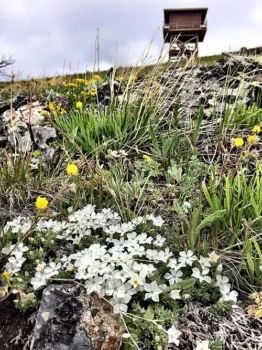
Missoula Phlox: A Rare Montana Gem Worth Growing Responsibly
If you’re looking for a truly special addition to your native plant garden, meet Missoula phlox (Phlox missoulensis) – a charming little perennial that’s as rare as it is beautiful. This delicate Montana native might just be the perfect plant for gardeners who love supporting conservation while creating stunning landscapes.
What Makes Missoula Phlox Special?
Missoula phlox is a low-growing perennial forb that forms attractive mats of small, vibrant pink to lavender flowers. Unlike its more common phlox cousins, this little beauty is endemic to western Montana, making it a true regional treasure. Its compact, mat-forming habit and spring blooms make it an excellent choice for rock gardens and alpine collections.
Where Does It Come From?
This native plant calls Montana home, particularly thriving in the areas around Missoula (hence the name!). It’s perfectly adapted to the challenging conditions of the northern Rocky Mountain region, making it a resilient choice for gardeners in similar climates.
- Species observed
- No observations
A Word About Rarity
Here’s something important to know: Missoula phlox has a Global Conservation Status of S2S3, which means it’s considered rare to uncommon in its native range. While this makes it extra special to grow, it also means we need to be responsible about it. If you’re interested in adding this plant to your garden, make sure you source it from reputable native plant nurseries that propagate their own stock rather than collecting from wild populations.
Why Grow Missoula Phlox?
There are several compelling reasons to consider this rare beauty:
- Supports native pollinators like butterflies and bees with its nectar-rich flowers
- Extremely drought tolerant once established
- Perfect for challenging spots like rock gardens and slopes
- Low maintenance once settled in
- Helps preserve a rare native species through cultivation
- Blooms in spring when many gardens need color
Growing Conditions and Care
Missoula phlox is surprisingly easy to grow if you can mimic its natural mountain habitat:
Hardiness: Thrives in USDA zones 4-7, making it perfect for colder climates where many plants struggle.
Light Requirements: Prefers full sun but can tolerate some partial shade, especially in hotter climates.
Soil Needs: The key to success is well-draining soil. This plant absolutely hates wet feet, so make sure water doesn’t sit around the roots. Sandy or rocky soil works beautifully.
Water Requirements: Once established, this little trooper is quite drought tolerant. During its first year, provide regular water to help it get established, then back off. Overwatering is more likely to kill it than underwatering.
Planting and Maintenance Tips
Getting your Missoula phlox off to a good start is pretty straightforward:
- Plant in spring after the last frost date
- Space plants about 12-18 inches apart to allow for spreading
- Improve clay soils with coarse sand or gravel for better drainage
- Mulch lightly with gravel rather than organic mulch to prevent crown rot
- Avoid fertilizing – these plants prefer lean soils
- Deadhead spent flowers to encourage more blooms
Perfect Garden Situations
Missoula phlox shines in specific garden settings:
- Rock gardens and alpine collections
- Native plant gardens focused on regional species
- Drought-tolerant landscapes and xeriscapes
- Slopes and areas with challenging drainage
- Containers with excellent drainage
The Bottom Line
Missoula phlox is a wonderful choice for gardeners who want to grow something truly special while supporting conservation efforts. Its rarity makes it a conversation starter, while its adaptability and low maintenance needs make it a practical choice for the right garden situations. Just remember to source your plants responsibly, give them the well-draining conditions they crave, and enjoy watching this little Montana native thrive in your garden.
By growing Missoula phlox, you’re not just adding beauty to your landscape – you’re helping preserve a piece of Montana’s natural heritage for future generations to enjoy.