Missouri Foxtail Cactus: A Hardy Native Beauty for Your Garden
Looking for a tough, drought-resistant native plant that can handle harsh winters better than most cacti? Meet the Missouri foxtail cactus (Escobaria missouriensis), a surprisingly hardy little gem that’s been quietly thriving across America’s heartland for centuries. This spiny charmer might just be the perfect addition to your low-maintenance garden.
What Makes Missouri Foxtail Cactus Special?
Don’t let the name fool you – while this cactus does call Missouri home, it’s actually native across a huge swath of the United States. You’ll find Missouri foxtail cactus growing naturally from Montana down to Texas and west to Arizona, making it one of the most widespread native cacti in North America. This perennial succulent has adapted to life on the Great Plains and southwestern regions, proving its mettle in some pretty challenging climates.
- Species observed
- No observations
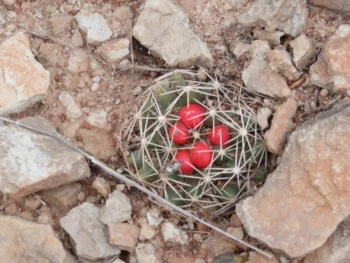
The Missouri foxtail cactus forms attractive clusters of small, globe-shaped to cylindrical stems covered in prominent tubercles (those are the bump-like structures that give cacti their distinctive texture). In spring, the plant rewards patient gardeners with stunning pink to magenta flowers, followed by bright red fruits that add another season of visual interest.
Why You’ll Love This Native Cactus
Here’s what makes Missouri foxtail cactus a winner for home gardeners:
- Incredible cold hardiness: Unlike most cacti, this tough cookie can survive in USDA zones 4-9, handling temperatures well below freezing
- Low maintenance: Once established, it practically takes care of itself
- Pollinator magnet: The colorful blooms attract bees, butterflies, and other beneficial insects
- Year-round interest: Attractive form in all seasons, with flowers in spring and colorful fruits later
- Native plant benefits: Supports local ecosystems and requires no special pampering
Perfect Garden Situations
Missouri foxtail cactus shines in several garden settings:
- Rock gardens: Nestles beautifully among stones and boulders
- Xeriscapes: A natural for water-wise landscaping
- Native plant gardens: Pairs well with prairie grasses and wildflowers
- Cactus and succulent collections: Adds geographic diversity to your spiky plant family
- Containers: Makes an excellent potted specimen for patios and decks
Growing Your Missouri Foxtail Cactus
The secret to success with Missouri foxtail cactus is simple: think less is more. This plant evolved in harsh, dry conditions, so your biggest job is to avoid killing it with kindness.
Essential Growing Conditions
- Sunlight: Full sun is absolutely essential – at least 6-8 hours daily
- Soil: Well-draining is non-negotiable. Sandy, rocky, or gravelly soil works best
- Water: Very drought tolerant once established. Water sparingly, if at all
- Climate: Thrives in USDA zones 4-9
Planting and Care Tips
When to plant: Spring is ideal, giving the cactus a full growing season to establish before winter.
Soil preparation: If your soil holds water, amend it heavily with coarse sand, gravel, or pumice. Consider raised beds or containers if drainage is poor.
Watering wisdom: Water lightly during the first growing season, then back off. Mature plants typically survive on natural rainfall alone in most climates.
Winter care: While cold-hardy, protect from excessive winter moisture which can cause rot. Good drainage becomes even more critical during dormant months.
A Word About Conservation
Missouri foxtail cactus has a somewhat complex conservation status, and wild populations may face pressures from habitat loss and over-collection. When adding this beauty to your garden, please purchase from reputable nurseries that grow their plants from seed or cuttings rather than collecting from the wild. You’ll be supporting both conservation efforts and getting a healthier plant that’s already adapted to cultivation.
The Bottom Line
If you’re looking for a truly low-maintenance native plant that offers unique beauty and supports local wildlife, Missouri foxtail cactus deserves serious consideration. Its combination of cold hardiness, drought tolerance, and spring flower show makes it a standout choice for challenging garden spots where other plants struggle. Just remember: when it comes to care, less really is more with this tough little survivor.