Missouri Gooseberry: A Hardy Native Shrub Worth Growing
If you’re looking for a tough, low-maintenance native shrub that feeds both wildlife and your family, meet the Missouri gooseberry (Ribes missouriense). This perennial shrub might not win any beauty contests, but it’s a hardworking addition to naturalized gardens and wildlife-friendly landscapes across much of North America.
What Is Missouri Gooseberry?
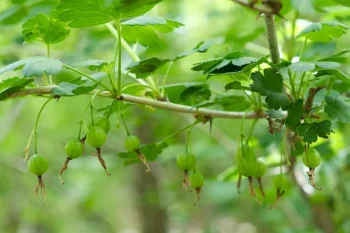
Missouri gooseberry is a deciduous shrub that typically grows 3-6 feet tall and wide. As a multi-stemmed woody plant, it forms dense thickets over time through underground runners. Don’t let the thorny stems intimidate you – those spines serve an important purpose in protecting the plant and creating safe nesting sites for birds.
This tough customer blooms in early spring with small, inconspicuous greenish-white flowers that give way to dark purple to black berries by midsummer. The berries are edible and can be used for jams, jellies, and pies, though they’re quite tart when eaten fresh.
Where Does It Grow Naturally?
Missouri gooseberry is native to a large swath of North America, naturally occurring in states from the Great Plains to the Eastern Seaboard. You’ll find it growing wild in Arkansas, Connecticut, Illinois, Indiana, Iowa, Kansas, Kentucky, Maryland, Minnesota, Missouri, Montana, Nebraska, New Jersey, New York, North Dakota, Ohio, Oklahoma, Pennsylvania, South Dakota, Tennessee, Virginia, West Virginia, and Wisconsin. It’s also found in Ontario, Canada.
- Species observed
- No observations
Important note for New Jersey gardeners: Missouri gooseberry is listed as endangered in New Jersey with a rarity status of S2. If you’re in the Garden State and want to grow this plant, please source it only from reputable native plant nurseries that use responsibly collected seeds or cuttings.
Why Grow Missouri Gooseberry?
Here’s why this humble shrub deserves a spot in your landscape:
- Wildlife magnet: The spring flowers provide nectar for bees and other pollinators, while the summer berries feed birds, small mammals, and other wildlife
- Edible landscaping: You can harvest the berries for homemade preserves and baked goods
- Low maintenance: Once established, it’s drought tolerant and rarely needs attention
- Dense cover: Creates excellent nesting habitat for birds thanks to its thorny, dense growth
- Cold hardy: Thrives in USDA zones 3-7, handling harsh winters with ease
Where to Plant Missouri Gooseberry
This adaptable shrub works well in several landscape settings:
- Woodland edges and naturalized areas
- Wildlife gardens and bird-friendly landscapes
- Hedgerows and informal borders
- Areas where you want to discourage foot traffic (those thorns are effective!)
- Slopes and areas prone to erosion
Growing Conditions and Care
Missouri gooseberry is refreshingly undemanding. Here’s what it prefers:
- Light: Partial shade to full sun (tolerates quite a bit of shade)
- Soil: Well-drained soils of average fertility; adapts to various soil types
- Water: Moderate water needs; drought tolerant once established
- pH: Tolerates a wide range of soil pH levels
Planting and Care Tips
Getting Missouri gooseberry established is straightforward:
- Plant in fall or early spring when the plant is dormant
- Dig a hole twice as wide as the root ball but no deeper
- Water regularly the first year while roots establish
- Apply a 2-3 inch layer of organic mulch around the base
- Prune in late winter if needed to remove dead wood or control size
- Be patient – it may take 2-3 years to really take off
The Bottom Line
Missouri gooseberry might not be the showiest shrub in your garden, but it’s certainly one of the most useful. If you’re creating habitat for wildlife, interested in edible landscaping, or simply want a tough native plant that takes care of itself, this thorny character is worth considering. Just remember to source plants responsibly, especially if you’re gardening in areas where it’s rare.
Your local birds, bees, and maybe even your breakfast table will thank you for giving Missouri gooseberry a try.